
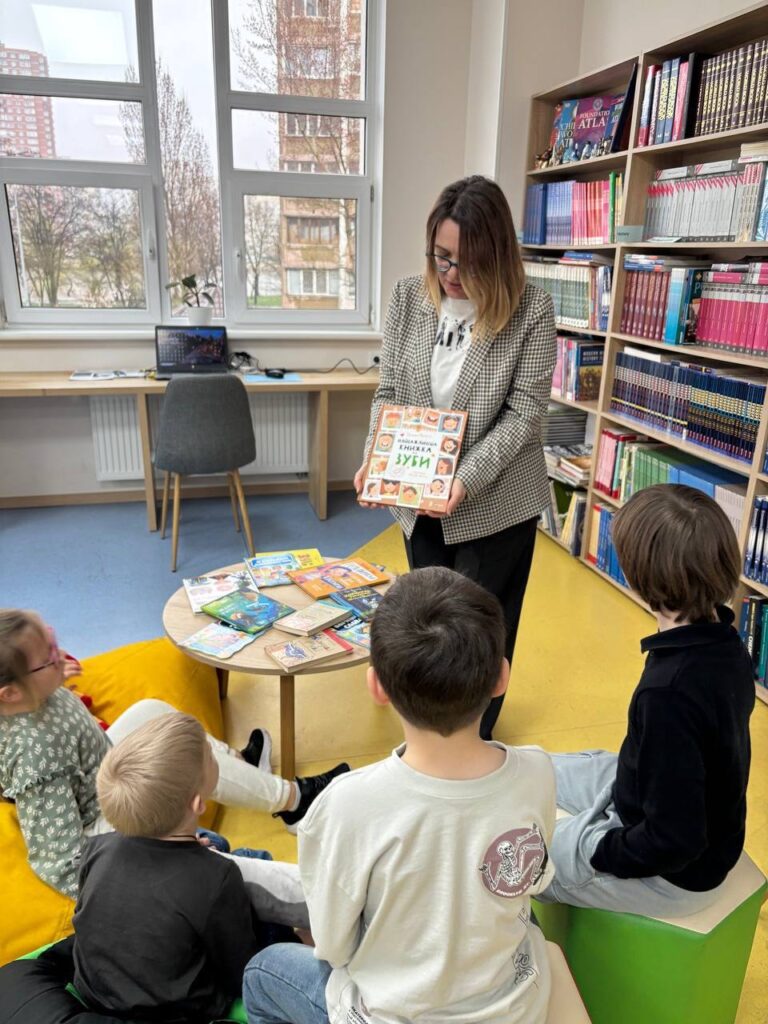
Irina is a librarian at AISU school ✅ The librarian effect!
In a world where technology is rapidly replacing the paper word, and children are increasingly looking at screens rather than books, a special figure is emerging – the librarian. Yes, not just a keeper of the book fund, but a guide to the world of wisdom, a silent mentor and an attentive listener. At AISU school, this role is played by Irina, a woman who has become the heart of the library, its soul and a mirror of the intellectual environment.
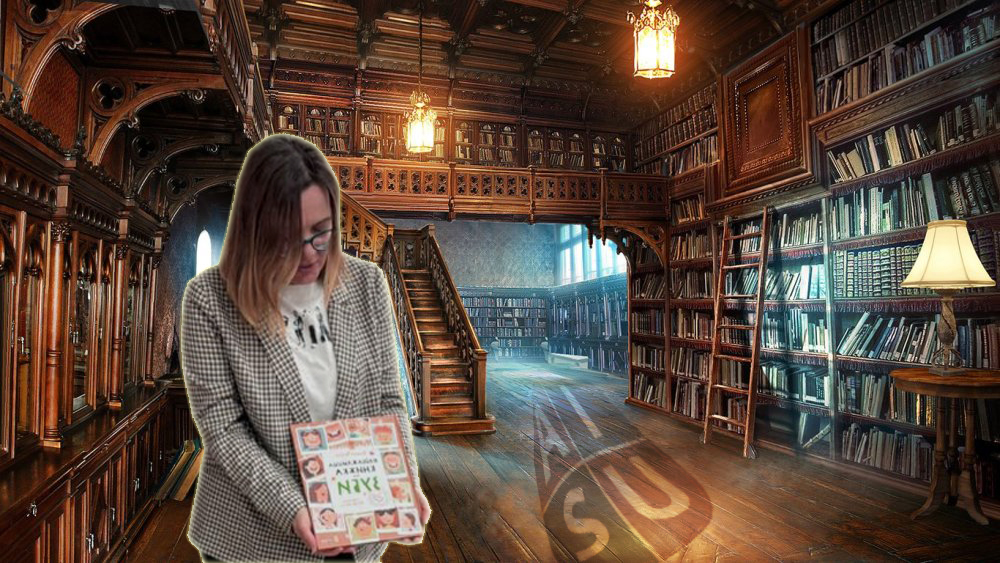 Irina is not only a library employee, but also a symbol of the ideal school librarian. Her presence is like a quiet Symphony of harmony that reigns in this place of power. Its mission is not only to give the child a book in his hands, but also to touch his soul, arouse interest, and light up the light in his eyes. The library under her leadership is transformed from a simple room with shelves into a space of spiritual growth, thinking and discovery.
Librarian’s philosophy: more than books. In her daily work, Irina is guided by a deep philosophy: a real librarian does not just know where the right book is – he knows why this particular book can change the life of a particular child. It is the art of noticing a student’s inner request before they realize it. Irina knows how to see pain behind silence, curiosity behind shyness, talent behind uncertainty.
This is its strength-in a deep understanding of the nature of the child’s soul. Because every child is an unopened book that needs a reader. And the Librarian Is the first person who can understand how to “read” it, how to awaken the thirst for knowledge. This is the philosophical meaning of her work: not in controlling order in the hall, but in Wise accompaniment – without pressure, without compulsion, but through inspiration and trust.
What should be the ideal school librarian? The ideal librarian is both a scientist and a poet, an analyst and a humanist. This is a person who is able to combine silence with dialogue, discipline with creativity, order with a living pulse of change. Such a librarian is not afraid of new technologies, but uses them to expand the horizons of students. He does not only hold on to the classic, but also does not forget about the power of the eternal.
Irina is the epitome of this model. It is both a guardian of classical values and an open conductor of modernity. Knowing the names of ancient philosophers, she navigates the world of digital archives just as easily. Her library is a symbiosis of the past and the future, where each student finds his present.
Important qualities of a school librarian:
- Empathy-the ability to understand the emotional needs of the student, to be close in important moments.
- Sociability – open, sincere communication that does not bind, but inspires.
- Erudition – deep knowledge of literature, culture, art, history and modern trends.
- Flexibility of thinking-the ability to adapt to the individuality of students and to changes in the world.
- Pedagogical intuition-a sense of what, when and how to say to support the child’s development.
- Organization-the ability to create a space where every book is in its place, and every child is a welcome guest.
- Passion for work – love for books and for children, which turns routine into a vocation.
Librarian’s interaction with students:
- Individual communication-a conversation about interests, needs, and emotional state.
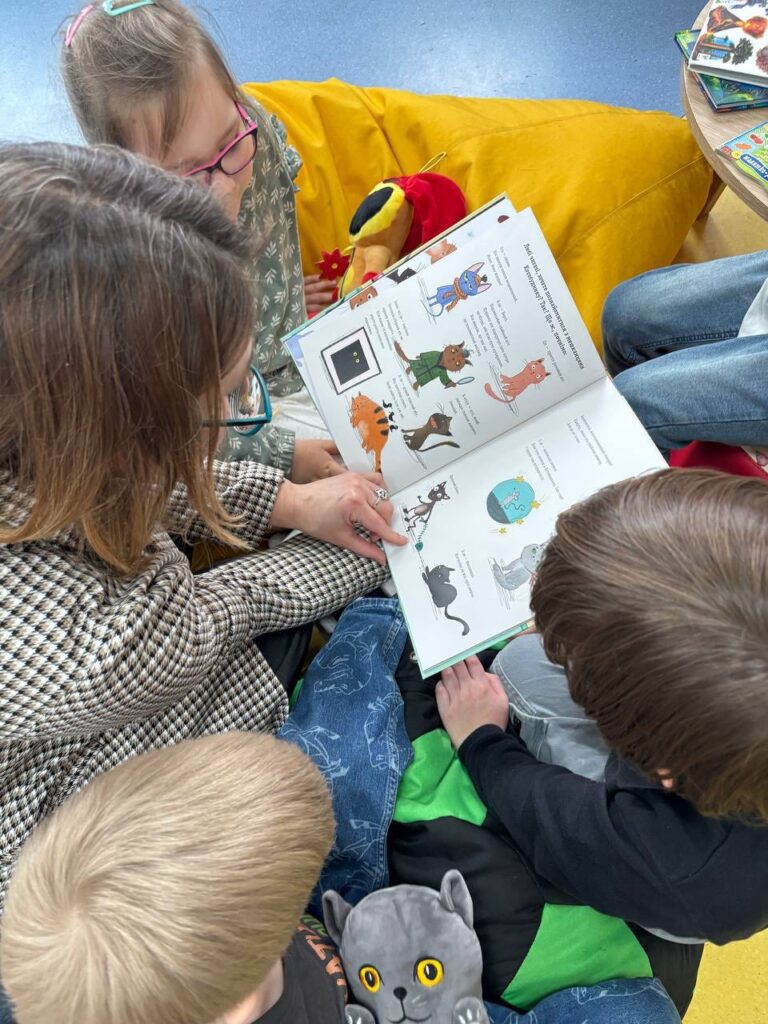
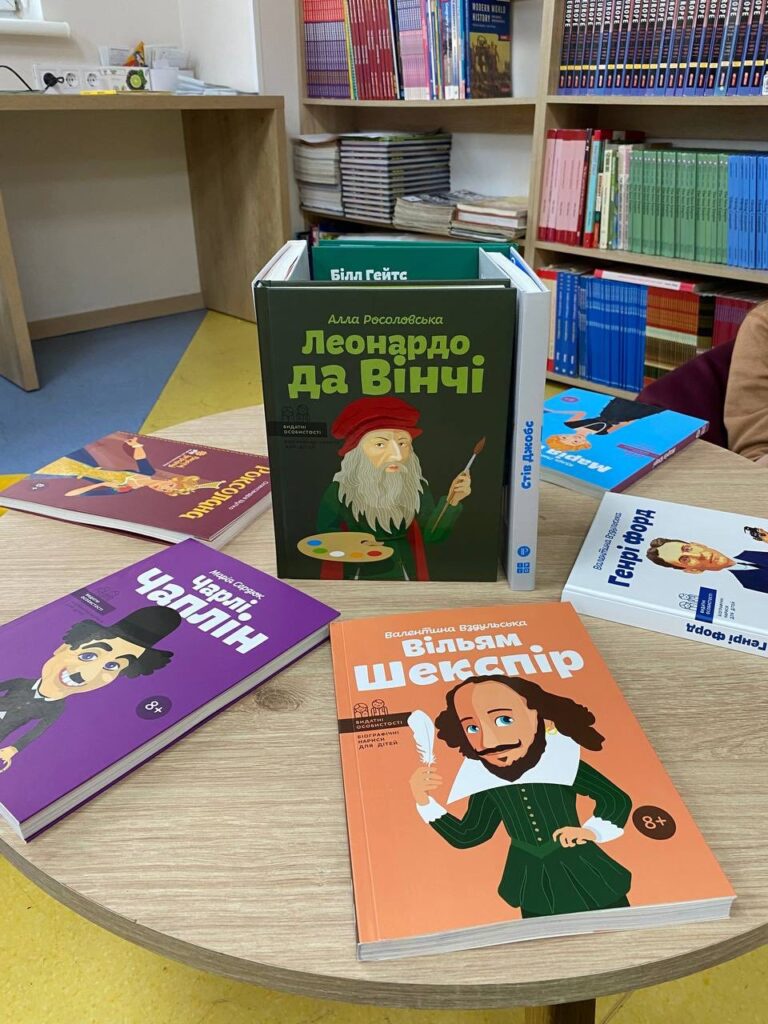
- Curating reading-selecting books according to the student’s character and age.
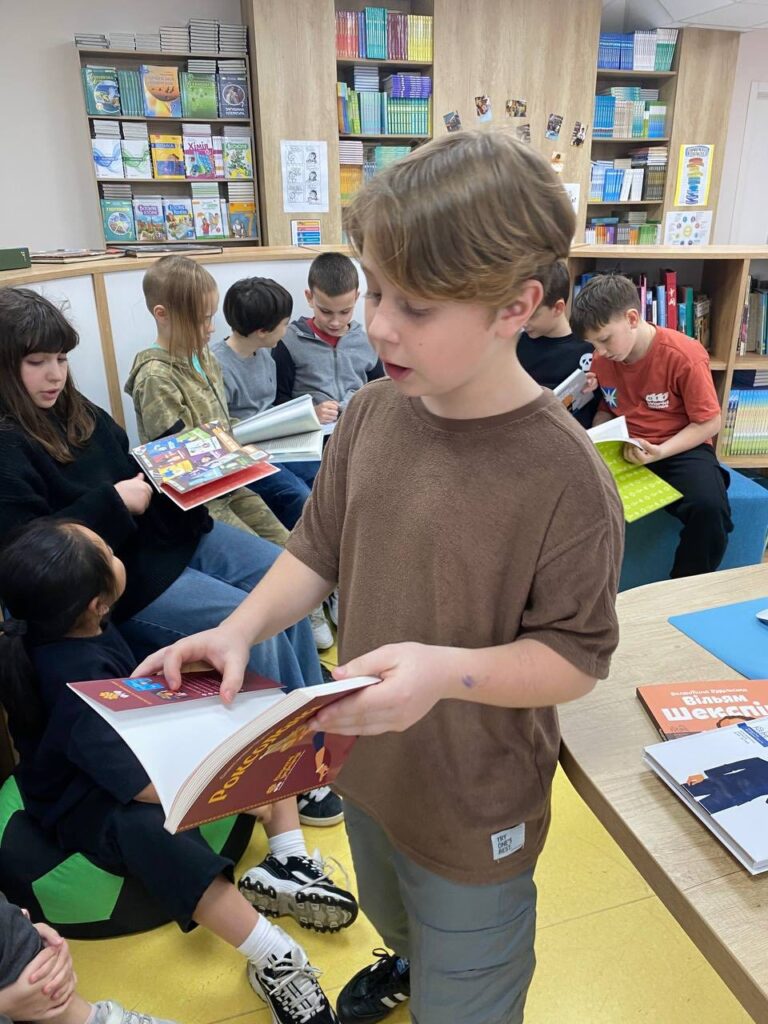
- Organization of clubs and discussions – formation of communities of interest.
- Support for creative initiatives-assistance in creating newspapers, literary almanacs, and projects.
- Mentoring in research-assistance in scientific research, research papers, presentations.
- Fostering a culture of thinking – conversations about deep topics, discussions, philosophical hours.
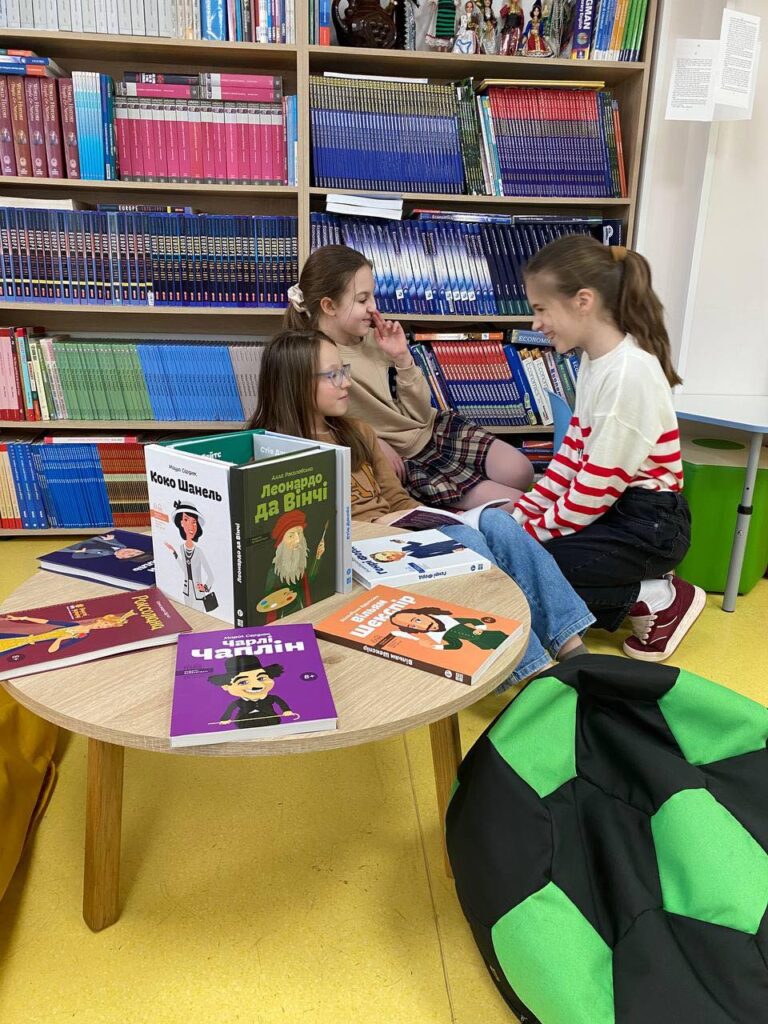
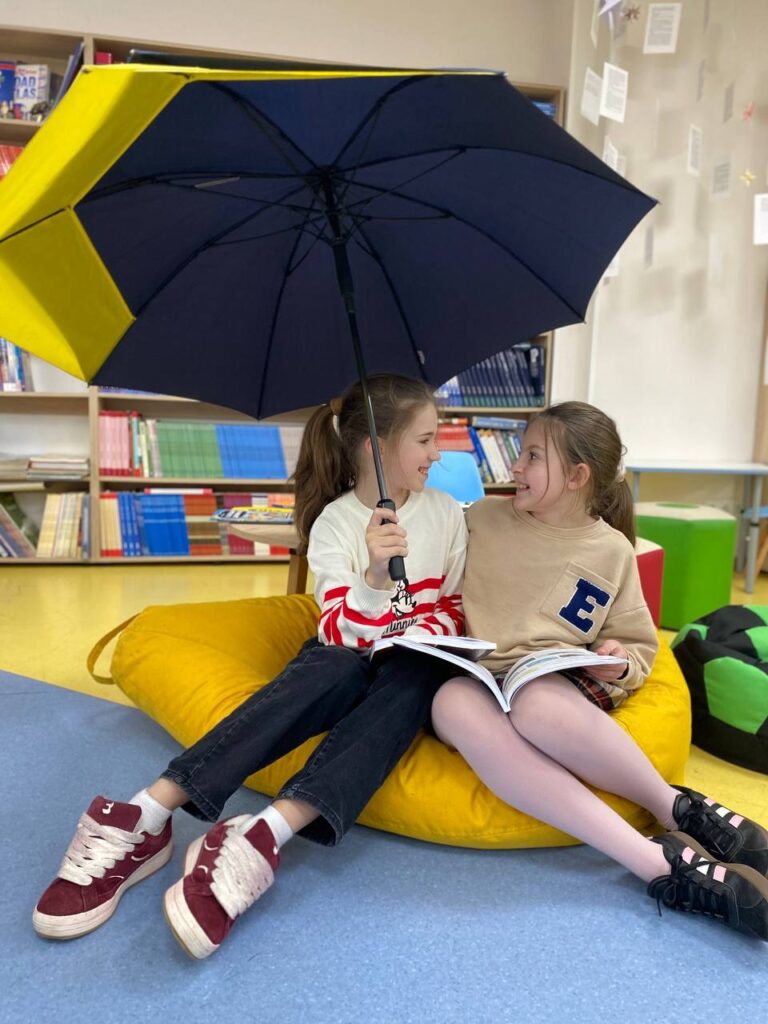
- Creating a cozy space-an atmosphere where the student wants to be, even if he is not reading.
Today, when the world seems fragmented, when sometimes meaning is lost, the school needs not just specialists, but philosophers of action. Irina at AISU is just such a figure. It doesn’t just manage the library – it protects the child’s inner space.
In her work, there is a deep question that is relevant at all times: “how to teach a person to love the truth?”And the answer is in the silence of the bookshelves, in the warmth of the voice, in the ability to wait for the student to reach the right page by himself. Because the ideal school librarian is someone who does not lead, but walks side by side, leaving behind a light that the student will carry through life.
Responsible profession of school librarian to students
The profession of a school librarian is not just about organizing a book collection or controlling order in the reading room. This is a vocation and at the same time a deep responsibility to the most valuable thing – a child who is forming, thinking, and looking. The librarian is not only a keeper of knowledge, but also a spiritual guide, a silent teacher, and a curator of reading culture. Her or his influence is powerful, though often invisible at first glance.
The school librarian has a special responsibility to students, which requires a deep understanding of the mission, moral stability and professional flexibility. Here are 8 important areas of this responsibility that form the basis of a high professional ethics of a librarian.
1. Responsibility for forming readers ‘ interest. The Librarian Is the first person who can instill a love of reading. Its task is to find an individual key for each child. It’s not just about picking up an interesting book, but also noticing the potential it can unlock. It depends on the librarian whether the first reading experience will turn into a habit that will feed the imagination, critical thinking and internal motivation to learn.
2. Responsibility for the availability of information. The student has the right to free and fair access to knowledge. The librarian must create conditions in which everyone – regardless of their level of training or social status – can find the necessary resources. This applies not only to books, but also to electronic databases, reference books, and Multimedia Tools. Information Justice is the foundation of academic equality.
3. Responsibility for a safe and comfortable space. The library should be an oasis of calm, trust and inner concentration. The librarian is responsible for the atmosphere – both physical and psychological. The student should feel that he is protected, accepted, and heard here. Even one smile or a friendly word from the librarian can change the child’s condition and restore faith in their own importance.
4. Responsibility for supporting the educational process. The librarian is an assistant not only in choosing fiction, but also in studying in general. Its task is to promote successful assimilation of the material, help in the search for Literature for projects, research papers, and scientific research. This is an active participation in building an intellectual environment where the child grows up not for the sake of evaluation, but for the sake of content.
5. Responsibility for the formation of Information Literacy. In a world of fakes, manipulation, and an overabundance of data, a librarian must teach children to filter, analyze, and think critically. This is a complex but necessary mission: to develop students ‘ skills in checking sources, recognizing misinformation, and using information correctly. These skills will become the basis of life security in the information space.
6. Responsibility for students ‘ cultural growth. The librarian has a mission to preserve spiritual values, language, and traditions. Through books, exhibitions, discussions, and thematic events, it affects the child’s cultural identity. This is a person who popularizes not just the text, but the meanings that unite generations and form dignity.
7. Responsibility for pedagogical partnership with students. The librarian is not an authority “from above”, but a mentor and ally. His responsibility is to be sensitive to changes in the child’s character, mood, and needs. This is a trusting dialogue, support in times of difficulties. Students should feel that they have a friend in the librarian, not just an employee who publishes books.
8. Responsibility for personal example. The librarian is an example of culture, responsibility, order, and self-development. Children observe him-his speech, behavior, attitude to the book, to space. The librarian’s personality should radiate dignity, intelligence, and benevolence. This example affects the formation of a student’s worldview more than any lecture.
The effect of a wonderful school librarian:
When a school has an impeccable librarian, it’s not just luck, it’s a strategic advantage. Such a person becomes a powerful resource for the development of each child and the entire educational process. Here’s the effect:
- The quality of learning is growing – students learn not mechanically, but meaningfully, thanks to deep access to resources, support, and search for alternative sources.
- A stable motivation for knowledge is formed – when a book is presented as a journey, and not as a duty, students begin to read with pleasure, on their own initiative.
- Develops critical thinking – through intellectual discussions, literature selection, and analysis skills, the student begins to ask the right questions.
- Increases emotional stability-the library is a safe haven, and the Librarian Is the one who helps to find balance in the inner world of the child.
- A reading culture is being formed-the habit of reading develops into a way of thinking. This is an investment in a future educated person.
- Trust in the school environment increases-the librarian becomes a bridge between the student, teacher and knowledge, which makes learning more human and inspiring.
- The number of creative initiatives is increasing – students start writing, creating literary projects, and participating in competitions – because they have support and space for self-realization.
The school librarian is not a” shadow ” figure, but an architect of the educational space, a philosopher on the educational front. The quality of the future generation depends on its responsibility. And if such a person – Wise, inspired, deep – works at the school, then the school does not just teach, but educates strong, thinking and free people.
Comprehensive student development at AISU school
In the modern world, which is changing faster than we have time to adapt, the main task of education is not just the transfer of knowledge, but the formation of a holistic, free, conscious personality. That is why the concept of comprehensive development is not a slogan at AISU school – it is a daily practice, a pedagogical philosophy and the heart of every educational step.
A school should not only prepare for exams-it should prepare for life. And it is in AISU that a living educational space is created, where the child gets to know himself, the world and learns to create a future that makes sense. Comprehensive development here is a harmonious combination of intellectual, emotional, physical, creative and social growth. And most importantly, all this happens in an atmosphere of respect, trust and freedom of expression.
Below are 8 key areas and methods by which AISU achieves the true comprehensive development of each student. One of them is the school library, but each of these methods is an important support in unlocking human potential.
- School library – intellectual and spiritual center.
The library at AISU is more than shelves of books. It is a place of thinking, reflection and inspiration. Here, every student has the opportunity to touch the cultural wealth of humanity, to find themselves in the word, in silence, in discoveries. The librarian does not just publish books – he takes the child on a journey, teaches critical thinking, the ability to search and ask questions. It is the library that lays the foundation for independent learning, love of knowledge and inner freedom.
2. Project Learning – Learning Through Action.
One of the most effective methods of development is to involve students in real projects. At AISU, every child can be a researcher, designer, or inventor. Topics range from ecology to historical reenactments, from STEM projects to social initiatives. This approach develops responsibility, the ability to work in a team, present ideas, and overcome difficulties. And most importantly, the student sees how knowledge works in real life.
3. Creative Studios and art laboratories.
AISU supports art as a necessary component of soul development. The school provides space for music, theater, Fine Arts, and literature. Students don’t just “draw” or “play” – they learn to express emotions, live internal conflicts, and form aesthetic thinking through creativity. Art is therapy, imagination development, and a real space of freedom.
4. Physical development and sports as the basis of harmony.
A healthy body is the foundation for the development of other areas of life. At AISU, physical development is not limited to physical education classes. The school offers sports sections, competitions, yoga, active breaks, and wellness programs. Children learn to take care of themselves, appreciate movement, as well as team interaction, respect for the opponent, and endurance. This is an important tool for character formation.
5. Interest clubs-development of individuality.
AISU encourages individual choice of each student. The school has a system of clubs – from debates to robotics, from cooking to chess. The student independently chooses the field that fascinates him, and it is through this passion that he discovers his potential. This is non-coercive learning, where Curiosity is the main driver. This means that knowledge is learned more deeply and naturally.
6. International Programs and cultural exchange.
AISU integrates students into the global world through international programs, language courses, participation in world competitions and connections with other schools. It gives you an understanding of a different culture, teaches tolerance, openness, and prepares you for global thinking. Children learn to see themselves not only as citizens of their own country, but also as part of a large planetary community.
7. Social and emotional training (SEL)-education of the soul.
AISU pays great attention to emotional intelligence. Children learn to recognize their emotions, talk about them, and build healthy relationships. Psychologists, curators, and teachers work together to make every child feel accepted and understood. Empathy, self-reflection, and inner stability develop. This is the key to mental health and the future ability to build a harmonious life.
8. Innovative learning environment.
AISU school uses the most modern educational technologies: interactive whiteboards, personalized educational trajectories, online platforms, gamification. But technology is not an end in itself – it is just a tool that allows you to better adapt knowledge to the needs of a particular student. AISU does not follow trends, but understands them, adapts them, and integrates them into a humanistic educational model.
AISU does not impose – it inspires. They don’t force you to learn here – they help you want to learn here. All methods are aimed at one thing: to awaken the inner light in the child, to give him tools for independent growth, to teach him to enjoy knowledge.
A teacher is not a source of knowledge, but an intermediary. The librarian is not a guardian of books, but a guide to the world of wisdom. Space is not a building, but a field of possibilities. And in this philosophy, every child is not an “object of learning”, but a subject of their own development, an individual who deserves respect, attention and freedom to be themselves.
Comprehensive development at AISU school is not an abstraction, but a daily, multi – faceted, deeply meaningful reality. This is when a school is not only a place of knowledge, but also a territory of life. Where children not only learn, but also grow up, think, dream and grow – in the full sense of the word. This is how the future is born that can change the world.
m. Kyiv, Drahomanova 1-B, AISU
p. Khodosivka, str. Feodosiya Pecherskyi, 55


