
Assemblies: students follow the traditions of China, Europe, Egypt, Brazil, Japan
Knowledge of the cultural heritage of different countries
Within the framework of the school project “Assembly: traditions of the world”, students had a unique opportunity to plunge into the diversity of cultural heritage of three major regions – China, Europe and Egypt. Each group of students studied the peculiarities of celebrations, art, Customs and daily life in order to better understand the values and spiritual achievements of peoples of different eras and parts of the world.
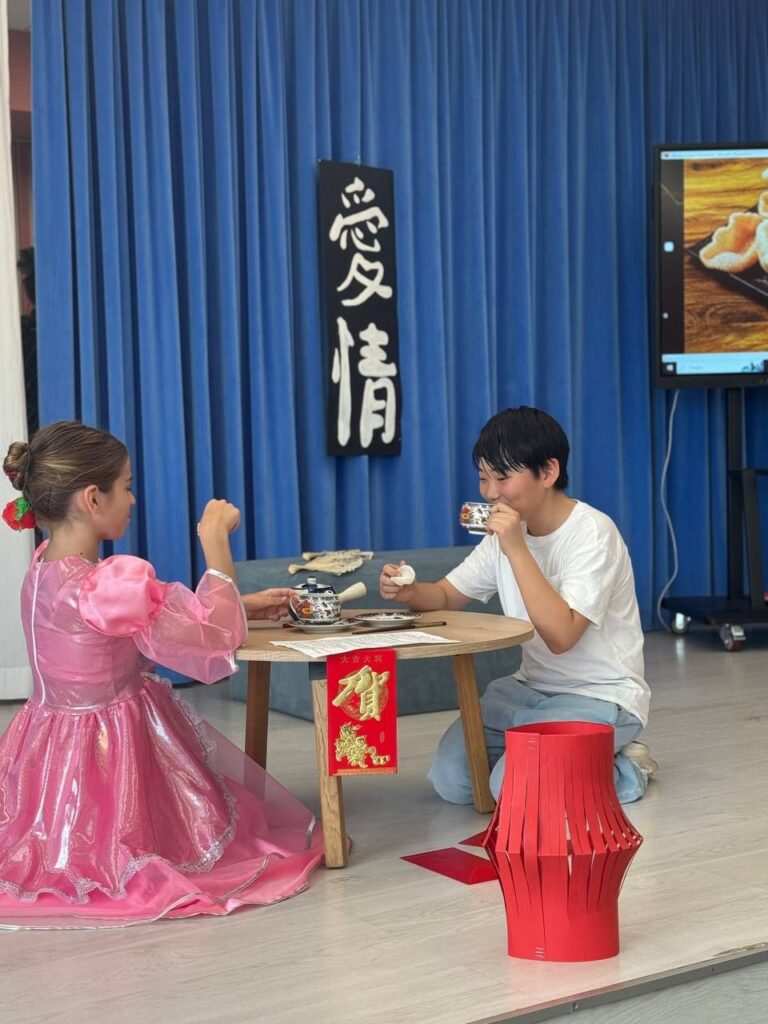
China was one of the first objects of research. Students learned about the great importance of traditional holidays such as Chinese New Year – The Spring Festival, during which the streets are filled with red lanterns, dragon dances and luxurious fireworks. Special attention was also paid to the study of the tea ceremony, which is an important part of the Chinese culture of hospitality and respect. The students discovered that in China, traditions are not only part of the holidays, but also penetrated people’s daily lives through the philosophy of Confucius and the value of family ties.
The study of Europe covered the diversity of cultures from the north to the south of the continent. Students got acquainted with the traditions of celebrating Christmas in Germany and France, festivals of medieval cities in Italy and spring rituals in the Scandinavian countries. British traditions were studied separately, such as celebrating Guy Fawkes Day with festive fireworks and burning an effigy. European traditions demonstrated how historical events influenced the formation of Customs, and the diversity of languages and religions created a unique cultural canvas.
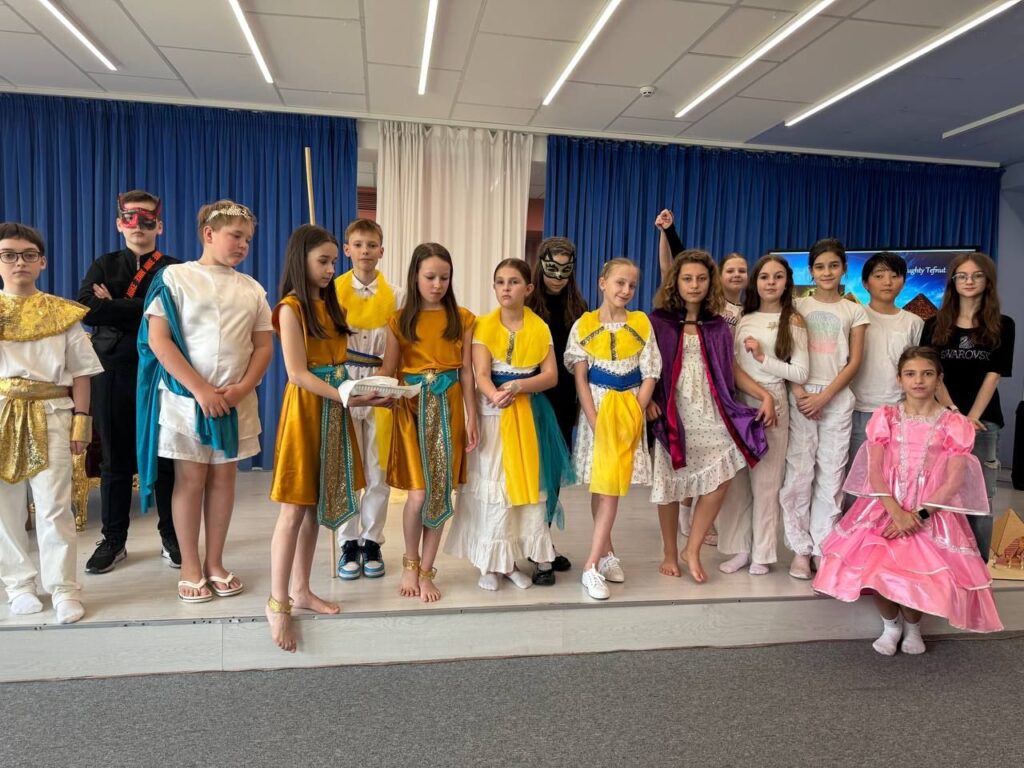
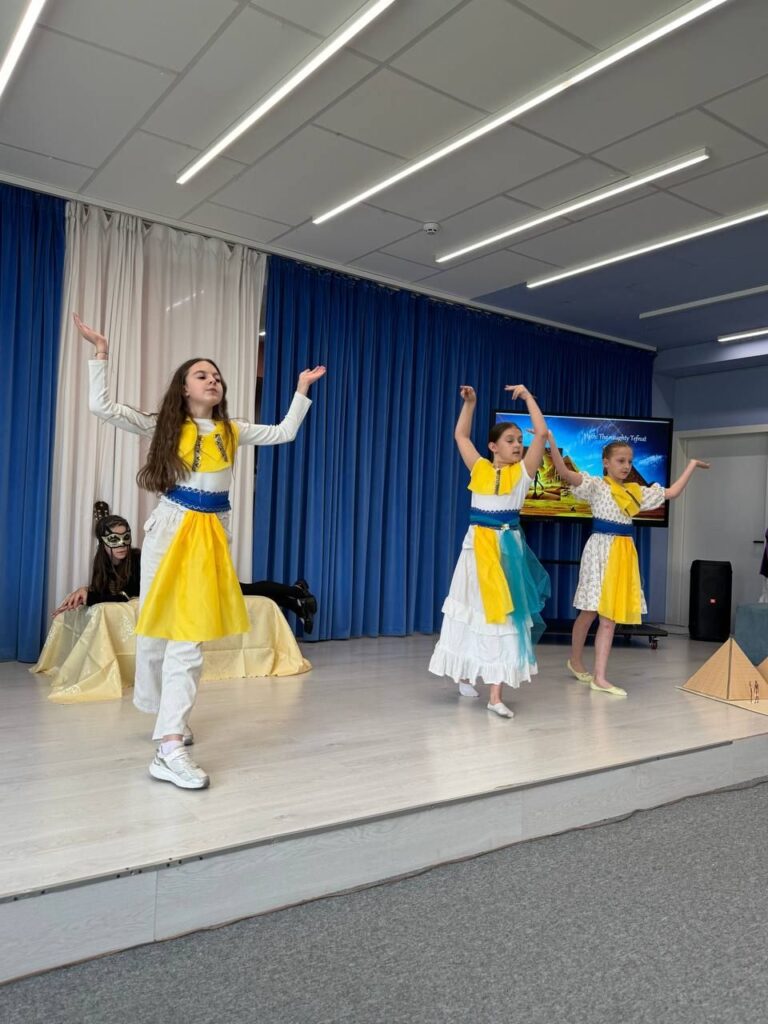
Another important topic was the culture of ancient and modern Egypt. Students enthusiastically studied the rituals of the ancient Egyptians associated with the belief in the afterlife, considered the meaning of the pyramids as symbols of Eternity and knowledge. Special attention was paid to the traditions of celebrating modern Egyptian holidays, for example, Sham el-Nessim – a spring festival that has its roots in pre-Christian times. Thus, the students saw how the culture of Egypt harmoniously combines ancient traditions and modern realities.
Research results and the role of traditions in the modern world
Summing up the research, the students concluded that the traditions of different peoples are not just beautiful rituals, but also an important source of identity, ways to preserve historical memory and transfer values from generation to generation. Each of the cultures studied showed that even in the modern world, where globalization blurs borders, traditions remain alive and needed.
China has taught students how a deep respect for family, history, and nature can be the foundation of national identity. European traditions have demonstrated how cultural richness and diversity can co-exist within the same continent, emphasizing the importance of preserving local culture even within a united Europe. Egypt has become a prime example of how an ancient civilization can influence modern life and remain a source of inspiration for new generations.
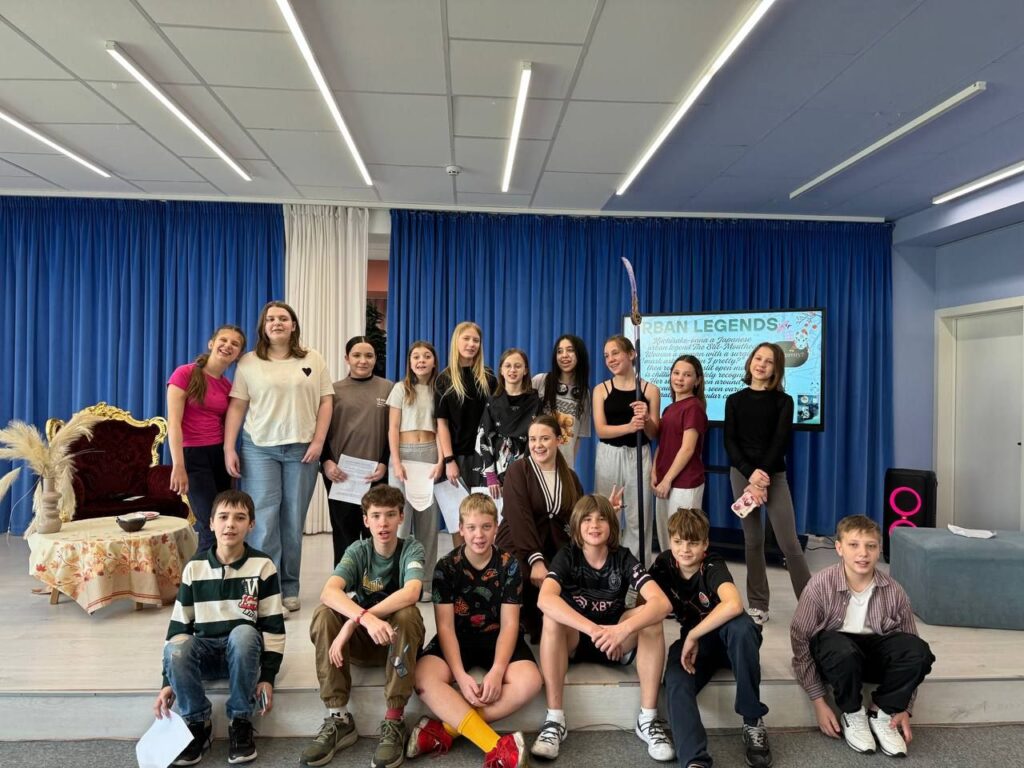
The results of this project were presented in the format of a large school assembly, where each group prepared short theatrical performances, presentations and told about national peculiarities. This format helped not only to better understand the materials studied, but also to feel the real atmosphere of different countries. During the final discussion, the students agreed that studying traditions contributes to the development of tolerance, mutual understanding and genuine interest in the world around them.
The “Assembly” Project: students explore the traditions of different countries ” not only expanded the horizons of schoolchildren, but also taught them to appreciate the cultural wealth of humanity, find commonalities in the diverse, and see in traditions not something outdated, but a living thread that combines the past, present and future.
Country features
There are many amazing countries in the world, each of which has its own unique history, culture and traditions. In this article, we will take a closer look at the specific features of China, some European countries and Egypt, as well as discover interesting facts that make these places so unique.
China is a country of tradition, wisdom and innovation.
China is one of the oldest civilizations in the world, with a history of more than 5,000 years. This is a country of striking contrasts, where ancient traditions coexist harmoniously with modern technologies.
Main features of China:
- China is the birthplace of Confucianism, Taoism and Buddhism. Confucius ‘ teachings influenced not only China, but all of East Asia.
- Chinese New Year, Mid – Autumn Festival and Dragon Boat Festival are the most exciting cultural events.
- The Great Wall of China, the Forbidden City and pagodas are examples of unique Chinese architecture.
- Chinese cuisine is known for its variety – from spicy Sichuan dishes to delicate Cantonese delicacies.
- China is a global leader in innovation, especially in the development of artificial intelligence, high-speed trains and mobile technologies.
Interesting facts about China:
- China produces more tea than any other country in the world.
- There are more than 50,000 characters in Chinese, although it is enough to know about 2,000 for basic communication.
- Beijing has the largest square in the world – Tiananmen Square.
European countries
Europe is a continent where each country has its own unique traditions, language, art and architecture. From antiquity to the present, Europe has been and remains a center for the development of science, culture and democracy.
Features of some European countries:
Italy:
- The birthplace of the Roman Empire and the Renaissance.
- The largest number of UNESCO World Heritage sites.
- Italy has given the world pizza, pasta and high style in fashion.
France:
-
- A country of romance, fashion and haute cuisine.
The Eiffel Tower in Paris is one of the most recognizable symbols in the world.
- French has long been considered the language of international diplomacy.
Germany:
- The birthplace of the famous composers Bach, Beethoven and Brahms.
- The country is known for its castles, especially in Bavaria (Neuschwanstein Castle).
- Germany is one of the leaders in engineering and the automotive industry.
Spain:
- Flamenco and bullfighting traditions were born here.
- Fhe famous architect Antonio Gaudi left world masterpieces, such as the Sagrada Familia.
- Fhe country is famous for its vibrant festivals, such as La Tomatina.
Interesting facts about Europe:
- The Vatican (the smallest country in the world) is home to only about 800 people.
Europe has more bridges than any other continent.
The first university in Europe, the University of Bologna, was founded in Italy in 1088.
Egypt
Egypt is the cradle of one of the oldest civilizations in the world, known for its mysterious pyramids, pharaohs and huge contribution to the development of science, medicine and architecture.
Main features of Egypt:
- The Pyramids of Giza, the Great Sphinx and the Valley of the Kings are monuments that are still admired by scientists and tourists alike.
- The Nile River is considered the longest in the world and was a life-giving artery for the development of ancient Egypt.
- The ancient Egyptians believed in many gods and goddesses, each of which had its own functions and attributes.
- Egyptian hieroglyphs are one of the oldest writing systems in the world.
- Today, the country is an important cultural and political center of the Arab world.
Interesting facts about Egypt:
- The Great Pyramid of Cheops was the tallest structure in the world for more than 3,800 years.
- The ancient Egyptians invented papyrus, the forerunner of modern paper.
- In modern Egypt, the official language is Arabic, although English and French are widely used in tourist areas.
China, Europe and Egypt are regions where the past and present are closely intertwined, creating an incredibly rich cultural space. By studying the peculiarities of different countries, we not only expand our knowledge, but also learn to appreciate diversity and find uniqueness in each nation and tradition.
About Brazil
Brazil is the largest country in South America, known for its vibrant cultural diversity, impressive natural resources, and passion for life.
Main features of Brazil:
- The Brazilian Carnival in Rio de Janeiro is one of the largest and brightest festivals in the world, combining music, samba dancing, colorful costumes and endless celebrations.
- Brazil is home to most of the Amazon rainforest, the largest rainforest on the planet, which is home to millions of plant and animal species.
- Brazil is the winning country of the largest number of FIFA World Cups. Football here is not just a sport, it is part of the national identity.
- Brazilian culture is a unique combination of European, African and indigenous traditions, which is manifested in music (samba, bossa nova), cuisine and Customs.
Along with the Amazon jungle, Brazil is famous for its amazing beaches such as Copacabana and Ipanema, Iguazu Falls and the mountains of the Chapada Diamantina National Park.
Interesting facts about Brazil:
- Brazil is the only country in South America where the official language is Portuguese.
- The Statue of Christ the Savior in Rio de Janeiro is one of the new Seven Wonders of the world.
The Amazon River has more tributaries than any other river in the world – more than 1,100.
Japan is a country of Tradition, Innovation and Unbreakable aesthetics
Japan is an island country in East Asia that combines ancient samurai traditions with the most modern technologies in the world.
Main features of Japan:
- Japan is famous for its tea ceremonies, ikebana art, traditional kabuki theater and the ritual of sublime admiration for Sakura hanami.
- Japan is one of the world leaders in robotics, automotive, electronics and high-speed trains (Shinkansen).
- Hard work, discipline, and respect for time are some of the most important features of Japanese society.
- Japanese cuisine (sushi, ramen, tempura) is recognized by UNESCO as part of the intangible cultural heritage of the world.
- Japan has an impressive combination of megacities (Tokyo, Osaka, Kyoto) and picturesque natural landscapes – the Fuji Mountains, Hot Springs (onsen) and national parks.
Interesting facts about Japan:
- There are more than 5 million vending machines in Japan that sell everything from beverages to umbrellas.
- The Japanese railway has the most accurate schedule in the world: a delay of more than 5 minutes is considered a serious incident.
- The Gion Matsuri Festival in Kyoto is one of the oldest and most famous in Japan, and lasts for a whole month.
Brazil and Japan are two very different cultures that each inspire the world in their own way. Brazil surprises with its passion, energy of nature and richness of musical and sports traditions. Japan impresses with the depth of its rituals, the elegance of its culture and the extraordinary development of technology. Studying such countries allows us to understand how diverse and beautiful our world is.
m. Kyiv, Drahomanova 1-B, AISU
p. Khodosivka, str. Feodosiya Pecherskyi, 55
Fresh news:

✅ Summer vacation ✅ My summer vacation ✅ Summer vacation plans

Graduation ✅ Graduation year ✅ AISU school graduation ✅

Парк Партизанської Слави і AISU

✅ Sports festival ✅ AISU and children's holidays at school ✅

✅ China ✅ Chinese traditions ✅ Chinese culture

Lessons in the fresh air

Drawing techniques

Vyshyvanka Day in AISU