
Vyshyvanka Day in AISU
Vyshyvanka Day May 21, 2026. History, traditions, symbols and spiritual heritage of the Ukrainian people.
On May 21, 2026, Ukrainians around the world will celebrate Vyshyvanka Day – a holiday that has become one of the brightest symbols of national unity, cultural heritage and the indomitable spirit of the Ukrainian people. On this day, millions of people wear embroidered shirts, demonstrating their love for the motherland, respect for their ancestors and pride in Ukrainian culture.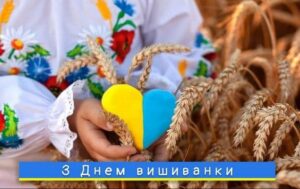
Vyshyvanka for a Ukrainian is much more than an element of clothing. This is a real code of the nation, an encrypted history of generations, a spiritual amulet and a symbol of belonging to a large Ukrainian family. Each ornament, each thread, each color has its own special meaning, which was passed down from ancestors to descendants for many centuries.
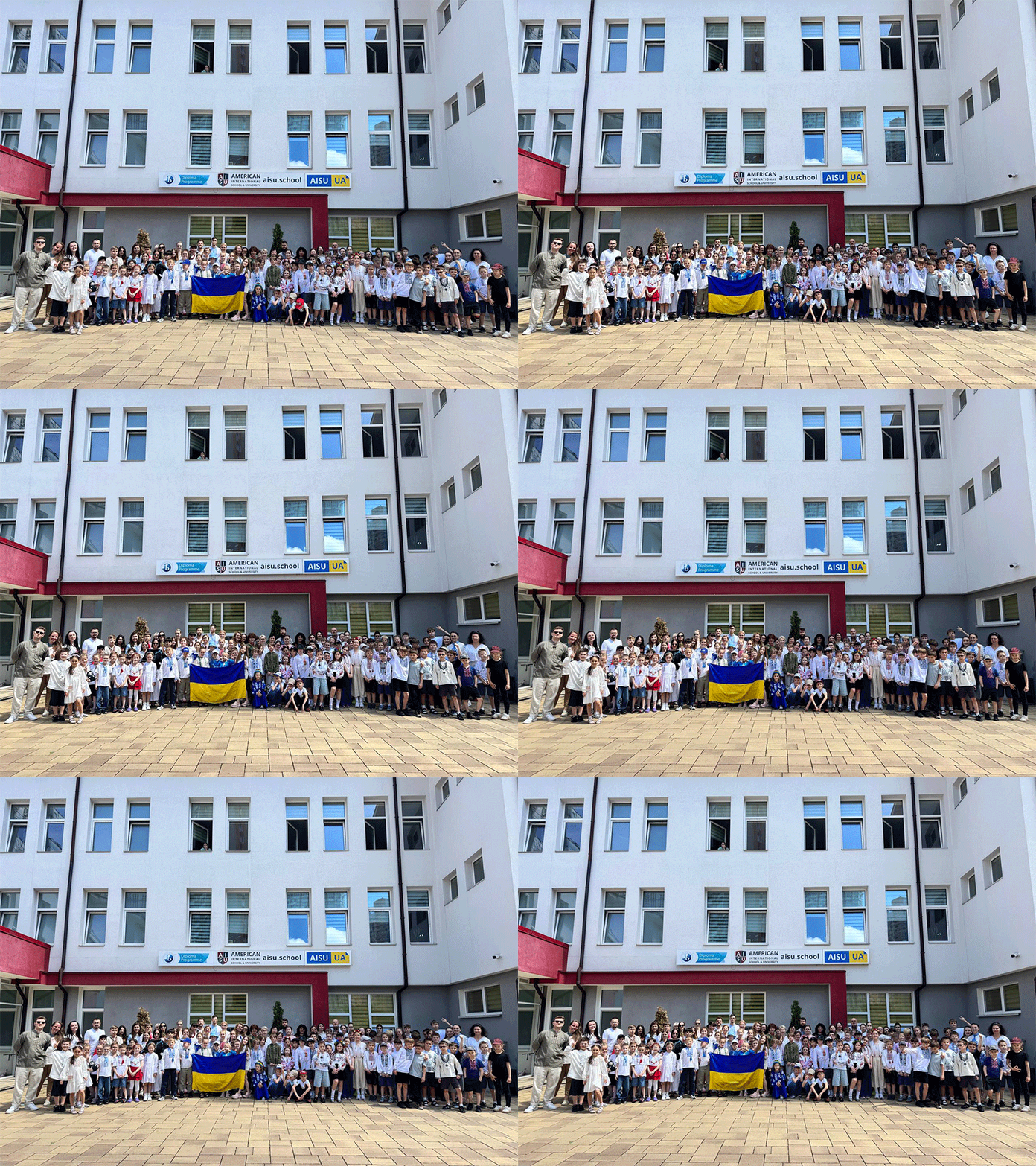
In the modern world, Vyshyvanka Day has become not only a cultural, but also an important social phenomenon that unites Ukrainians regardless of their place of residence, age or profession.
What is Vyshyvanka Day? Vyshyvanka Day is an international holiday dedicated to the Ukrainian embroidered shirt as a symbol of national identity, cultural heritage and spiritual unity of the Ukrainian people.
A special feature of the holiday is that it does not have the official status of a state Weekend. The main tradition is to wear Vyshyvanka to work, school or during everyday activities, demonstrating respect for Ukrainian traditions.
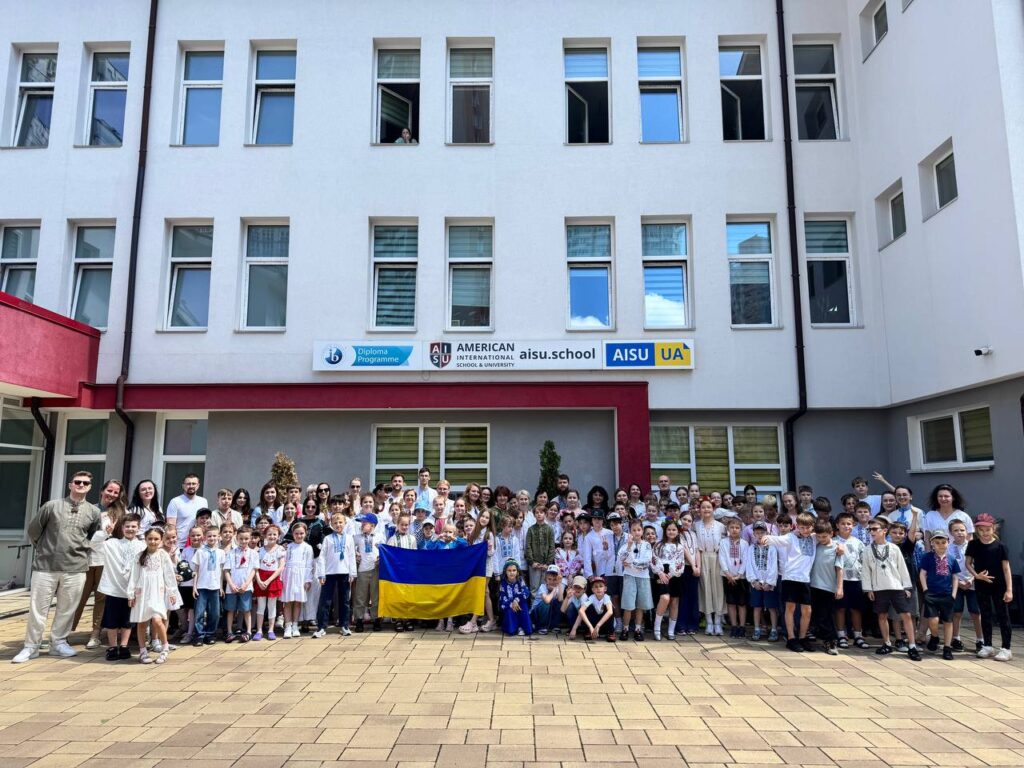
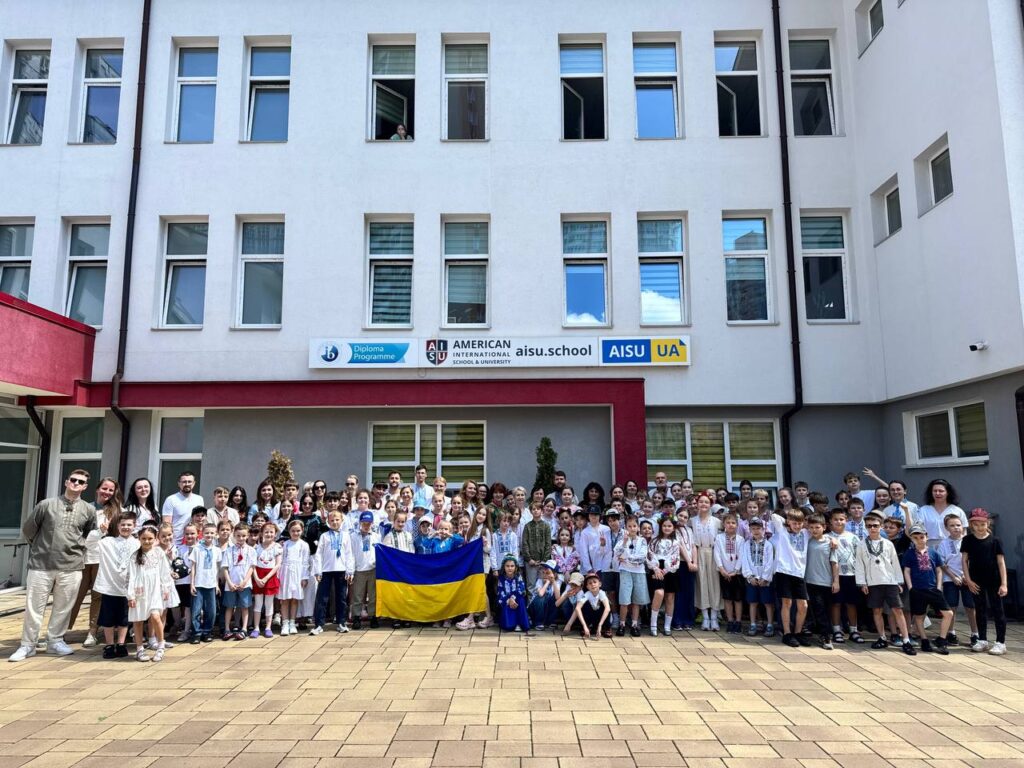
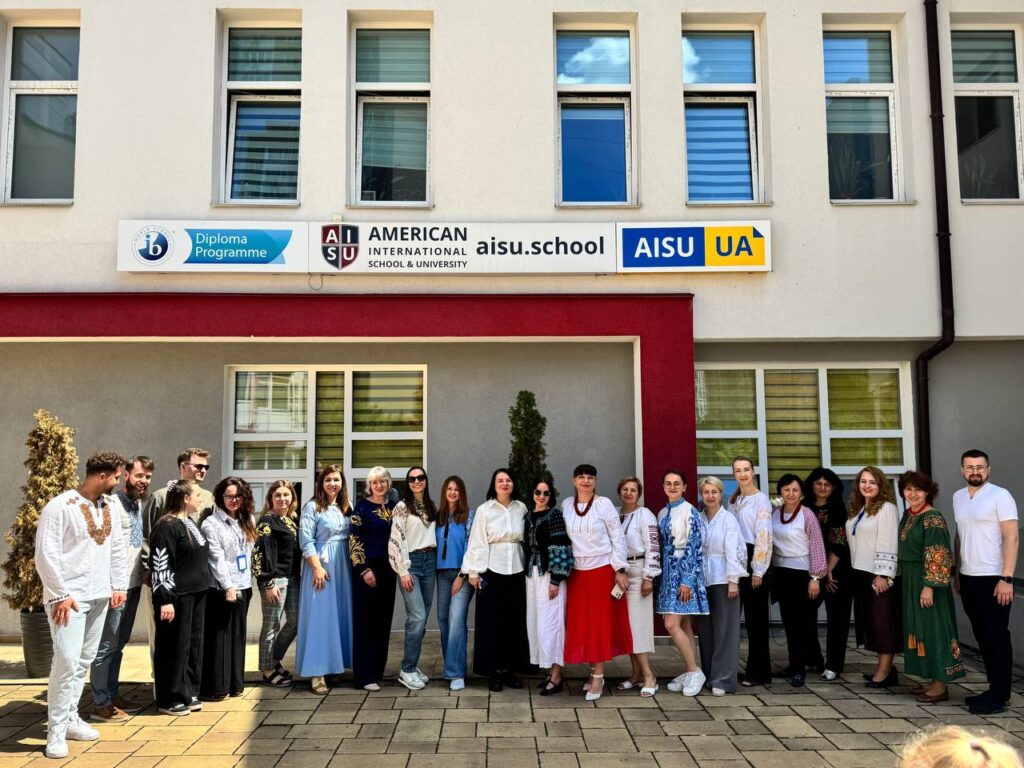
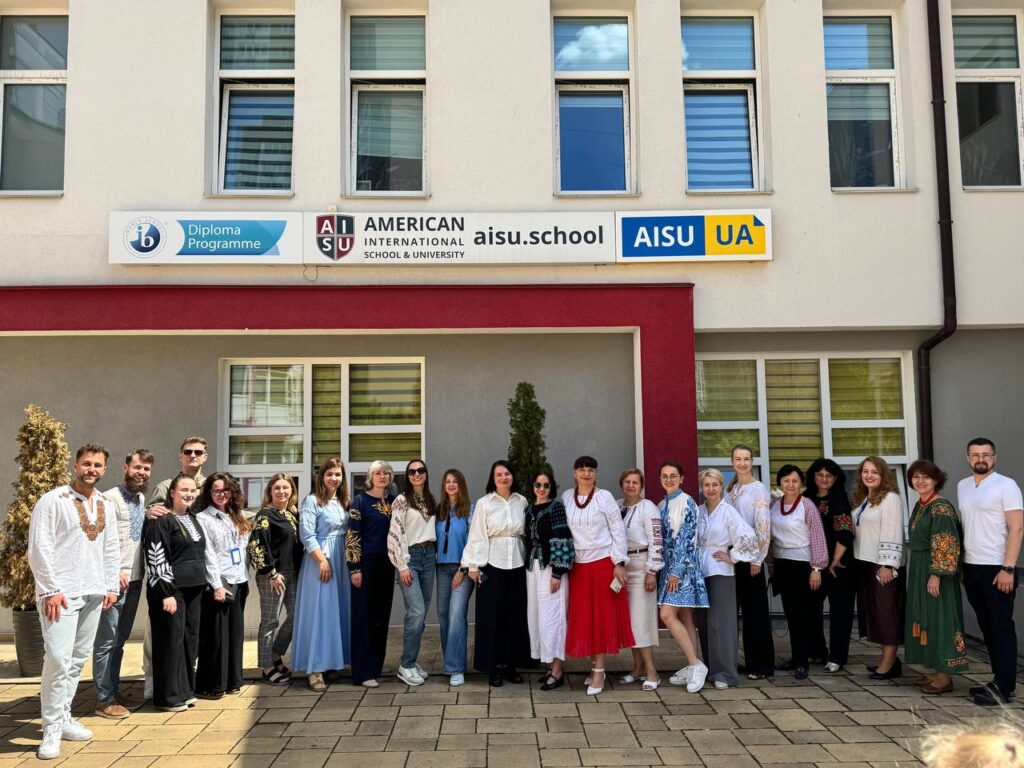
Every year Vyshyvanka Day is celebrated on the third Thursday of May. In 2026, the holiday falls on May 21.
Who approved the Vyshyvanka Day holiday? Interestingly, Vyshyvanka Day did not arise due to a government decision or an official decree.
The initiator of the holiday was a Ukrainian student Lesya Voronyuk. In 2006, she invited her classmates to come to study in vyshyvanki one day. The idea quickly found support among students and teachers.
The first event was held at the Yuriy Fedkovych Chernivtsi National University. At first, only a few dozen people took part in it, but after a few years the action turned into an all-Ukrainian movement.
Thus, Vyshyvanka Day was not approved by the state or a separate organization. It was created by the Ukrainians themselves as a public cultural initiative. That is why the holiday is considered truly popular.
What is the main goal of Vyshyvanka Day?
The purpose of the holiday is:
- Popularization of Ukrainian culture;
- Preservation of national traditions;
- Education of patriotism among young people;
- Support for Folk Crafts;
- Association of Ukrainians in different parts of the world;
- Demonstration of the cultural identity of Ukraine.
Vyshyvanka Day gained special significance during periods of trials for the state. The embroidered shirt has become a symbol of invincibility, freedom, dignity and National Resistance.
Today, Ukrainians wear vyshyvankas not only in Ukraine, but also in dozens of countries around the world – from Canada and the United States to Australia and Japan.
Why did Vyshyvanka become a symbol of Ukraine? Embroidery has accompanied Ukrainians for many centuries.
Our ancestors decorated with ornaments:
- Shirts;
- Towels;
- Tablecloths;
- Belts;
- Headwear;
- Holiday clothing.
However, it is the Vyshyvanka shirt that has become the most common and recognizable element of folk costume.
There are several reasons for this:
- Vyshyvanka was worn by all segments of the population.
- It accompanied a person from birth to death.
- The shirt was considered a powerful amulet.
- It combined beauty and sacred meaning.
- Each region had its own unique embroidery style.
That is why Vyshyvanka has become a real symbol of Ukrainian culture.
What was the essence of the tradition of our ancestors to create vyshyvankas?
For a modern person, Vyshyvanka is often perceived as a beautiful national clothing.
For the ancestors, its meaning was much deeper.
Our ancestors believed that the world was filled with both good and evil forces. To protect a person from adversity, diseases and misfortunes, special symbols were used-amulets.
That is why embroidery was placed mainly on those parts of clothing through which, according to popular beliefs, negative energy could penetrate:
- On the collar;
- Near the neck;
- On the sleeves;
- On the cuffs;
- Along the edge of the shirt.
Each stitch had not only a decorative, but also a magical function.
Creating a shirt was a real ritual. A woman during work should be calm, not quarrel, not think about bad things and put good wishes into the product for the person who will wear Vyshyvanka.
What did our Slavic ancestors put in the embroidery patterns? Ornaments were never created by chance. Each symbol contained certain wishes:
- Health;
- Longevity;
- Family happiness;
- Wealth;
- Protection from evil forces;
- Procreation;
- Welfare;
- Harvest.
In fact, Vyshyvanka was a kind of prayer written in the language of symbols.
Our ancestors believed that a properly selected ornament can protect a person throughout life.
What did the most common symbols of Ukrainian embroidery mean?
Tree of life:
One of the oldest symbols.
It represented:
- Continuity of life;
- Generation connection;
- The power of the genus;
- Harmony between heaven and Earth.
The Tree of life was often embroidered on wedding towels and holiday clothes.
Sun:
The sun symbolized:
- Light;
- Dobro;
- Vital energy;
- Victory over darkness.
Solar signs belonged to the strongest amulets of the Slavs.
Rhombus:
The Rhombus was considered a sign of fertility and abundance.
It meant:
- Sown field;
- Fertility of the Earth;
- Procreation;
- Material well-being.
Star:
The octagonal Star symbolized:
- Harmony of the universe;
- Spiritual development;
- Order;
- Protection from negative energy.
Cross:
The Cross was one of the oldest security symbols.
It was used even before the adoption of Christianity as a sign of the sun and cosmic order.
After the baptism of Rus, the symbol also acquired a Christian content.
What did the colors in vyshyvankas mean?
Red color:
Red meant:
- Love;
- Life force;
- Energy;
- Joy;
- Protection.
That is why it has become the most common color of Ukrainian embroidery.
Black color:
Contrary to the common stereotype, black did not symbolize only sadness.
In the Ukrainian tradition, it meant:
- Fertile land;
- Wisdom;
- Stability;
- Force.
White color:
White color represented:
- Purity;
- Spirituality;
- Light;
- Honesty.
Shirts embroidered with white threads on white linen were especially appreciated.
Blue color:
Symbolized:
- Water;
- Sky;
- Peace of mind;
- Health.
Green color:
Represented:
- Youth;
- Spring;
- Rebirth;
- Development;
- Hope.
Why did girls embroider their own shirts?
In traditional Ukrainian culture, every girl had to master the art of embroidery.
This was evidence:
- Hard work;
- Skill;
- Neatness;
- Readiness for family life.
For the wedding, the girl prepared a large dowry, which included:
- Shirts;
- Towels;
- Napkins;
- Tablecloths;
- Decorative fabrics.
The richer and more beautiful the dowry, the more respect the bride aroused.
Were there any male and female ornaments?
Yes.
For men, the following symbols prevailed:
- Forces;
- Courage;
- Protection;
- Military valor.
For women, the following was used more often:
- Floral motifs;
- Signs of fertility;
- Symbols of motherhood;
- Ornaments of love and family well-being.
At the same time, many patterns were universal.
Is it true that every region of Ukraine had its own embroidery?
Yes, and this is what makes Ukrainian embroidery extremely diverse:
- Poltava region is known for its white surface and elegant geometric ornaments.
- Podillya-characterized by rich black and red colors.
- Bukovina-marked by complex multicolored compositions and the use of beads.
- Hutsul region-famous for its bright yellow, green and orange colors.
- Chernihiv region – has restrained ornaments and very fine technique of execution.
Each region has created its own artistic language, which is easily recognizable even today.
Can Vyshyvanka be considered a talisman? For our ancestors, the answer was unequivocal – yes.
People believed that embroidery:
- Protects against the evil eye;
- Brings good luck;
- Strengthens health;
- Helps with important matters;
- Protects the family.
Modern science does not confirm the magical properties of embroidery, but its cultural and psychological significance remains extremely great.
For many Ukrainians, it still symbolizes the support of the family and spiritual connection with their ancestors.
How is Vyshyvanka Day celebrated in 2026? Traditionally on this day:
- Dress vyshyvankas;
- Hold flash mobs;
- Organize folk festivals;
- Organize exhibitions of Masters;
- Conduct folk studies lessons;
- Organize photo contests;
- Collect charitable assistance;
- Promote Ukrainian culture in the world.
The following people join the celebrations:
- Schoolchildren;
- Students;
- Civil servants;
- Military;
- Artists;
- Scientists;
- Representatives of the Ukrainian Diaspora.
Why is Vyshyvanka Day important for Modern Ukraine? In the Twenty-First Century, the world is rapidly globalizing, and many peoples are gradually losing their own cultural characteristics.
For Ukraine, Vyshyvanka Day has become a reminder that national culture is a huge value that must be protected and passed on to the next generations.
Vyshyvanka helps Ukrainians:
- Remember your roots;
- To honor the history of our ancestors;
- Support national unity;
- Promote Ukrainian culture in the world;
- Feel like a part of a great people.
Vyshyvanka Day on May 21, 2026 is not just a beautiful holiday of folk clothing. This is a day of respect for the centuries-old history of Ukraine, for the skill of our ancestors, for the traditions that have shaped the Ukrainian nation for centuries.
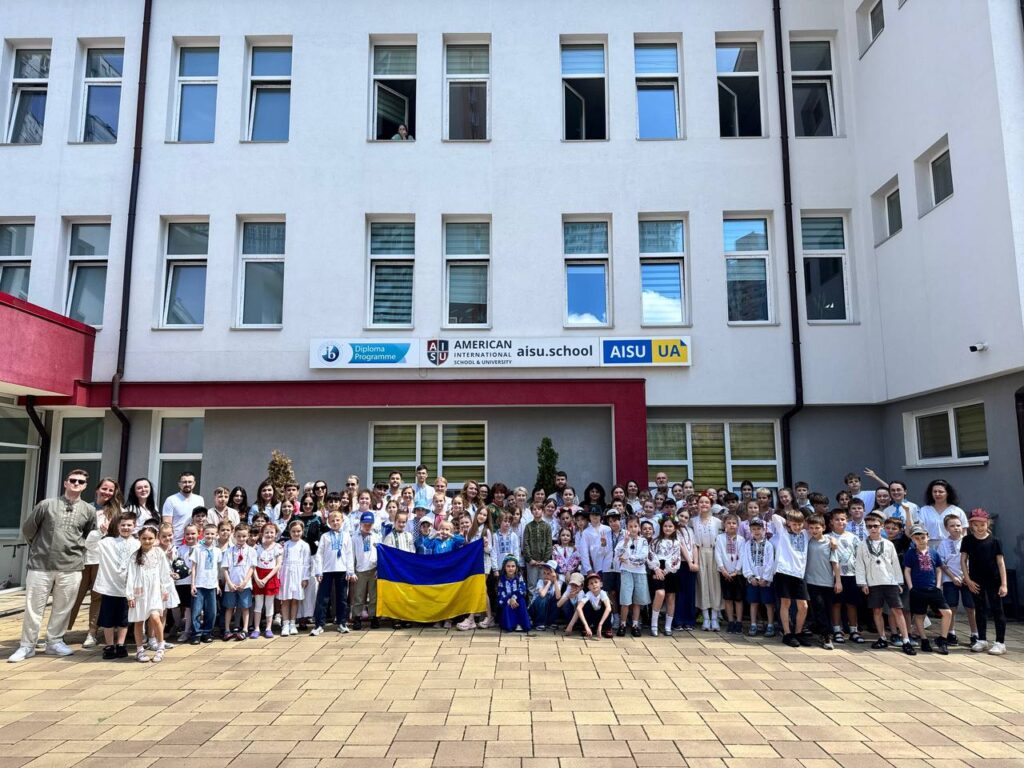
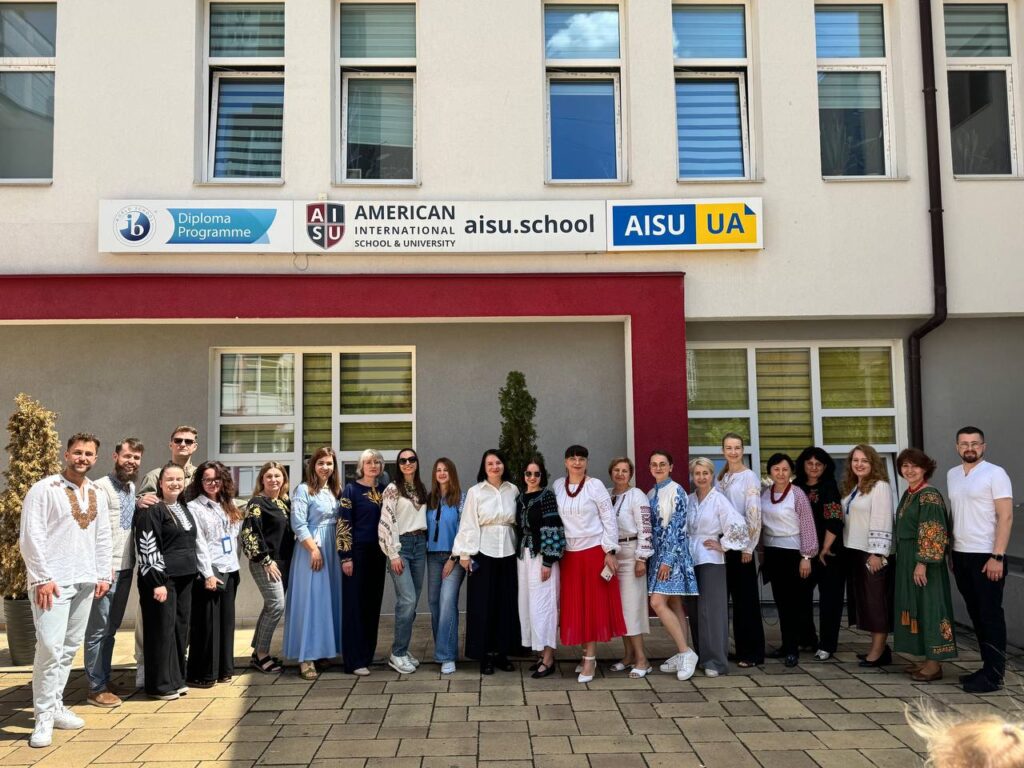
Every Vyshyvanka ornament contains the memory of generations. Each thread contains a mother’s love for the child, a wish of happiness to the newlyweds, a prayer for the health of the family and faith in a better future. That is why Vyshyvanka remains one of the most powerful symbols of Ukrainians – a symbol that unites people regardless of age, place of residence or profession.
Wearing Vyshyvanka on May 21, 2026, Ukrainians not only honor the traditions of their ancestors, but also demonstrate to the world that Ukrainian culture is alive, strong and able to maintain its uniqueness despite any challenges. This holiday reminds each of us that a nation that preserves its history, language and cultural heritage has a solid foundation for future development and prosperity.
Vyshyvanka Day in AISU
Vyshyvanka Day in AISU: a celebration of Ukrainian traditions, creativity and unity!
Vyshyvanka is one of the most famous symbols of Ukrainian culture, history and national identity. It unites generations, preserves the memory of their ancestors and reminds every Ukrainian of their roots. That is why Vyshyvanka Day annually becomes a special event for millions of people in Ukraine and far beyond its borders. This holiday not only popularizes Ukrainian traditions, but also unites children and adults around common values, culture and love for their native land.
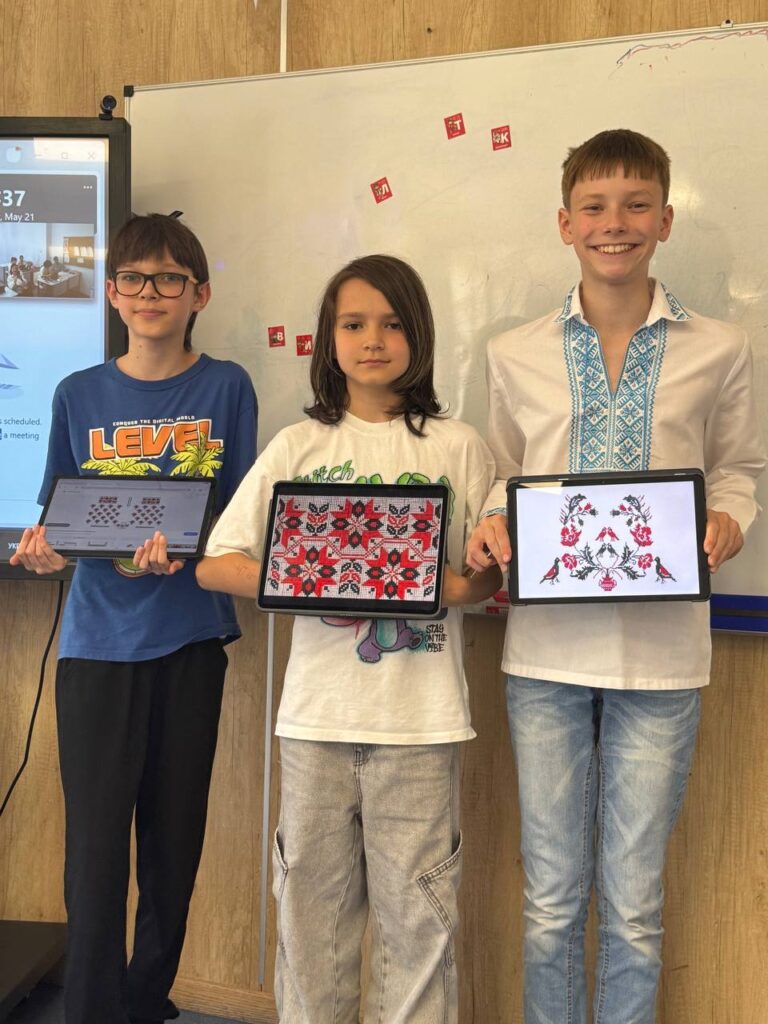
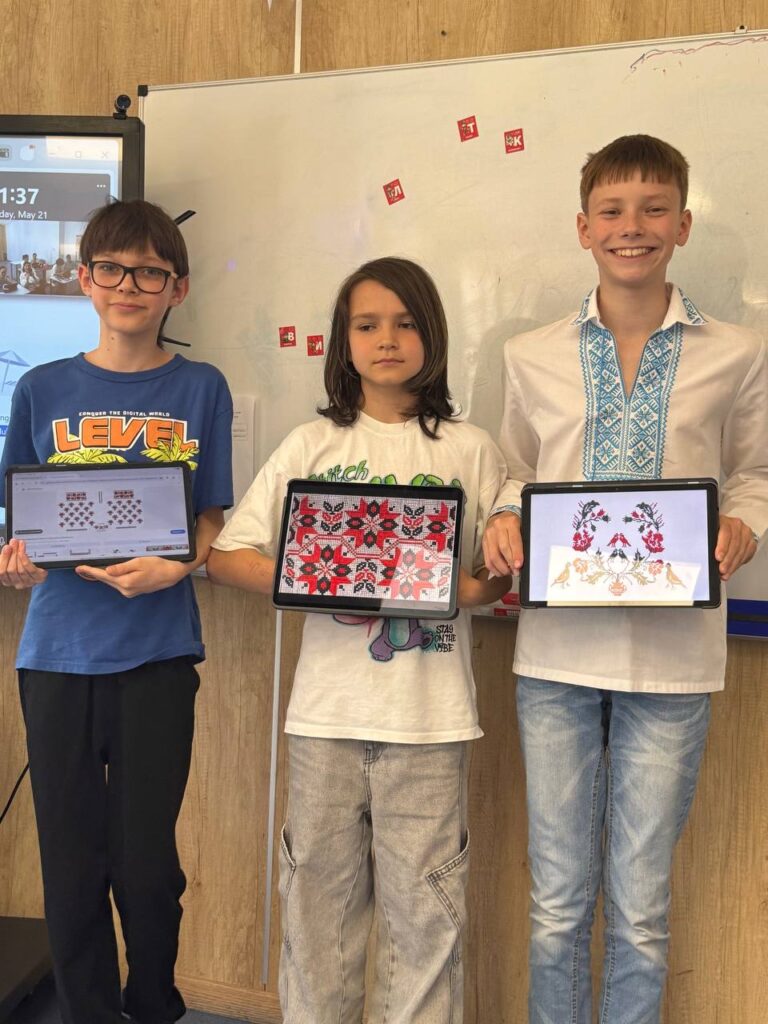
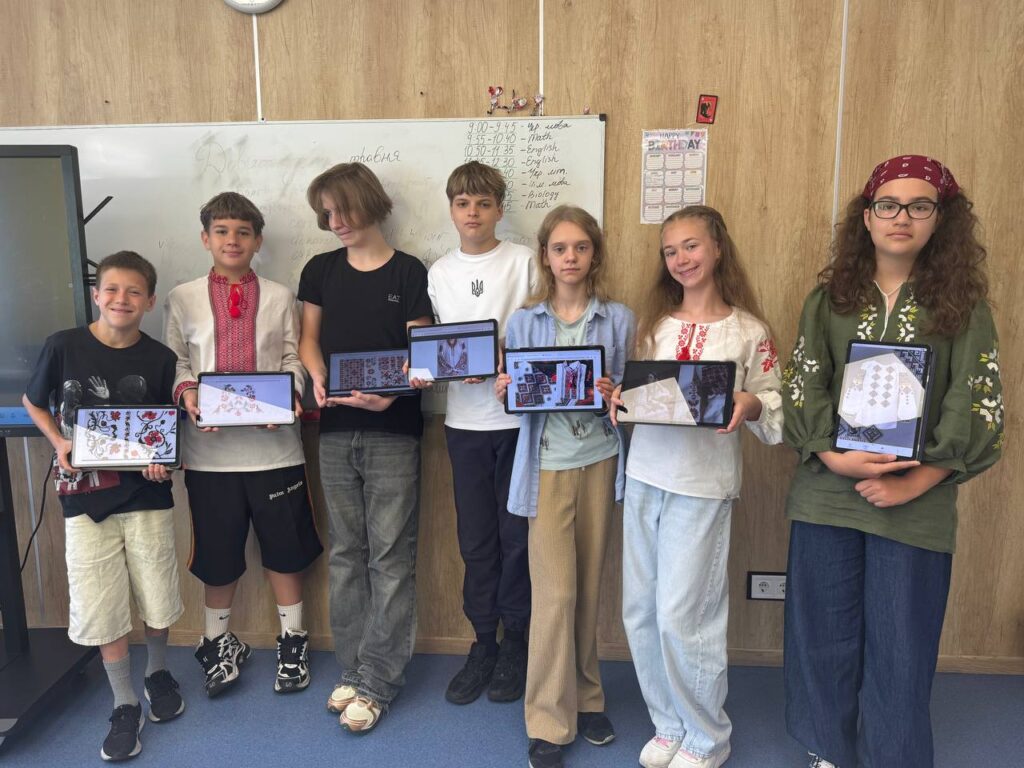
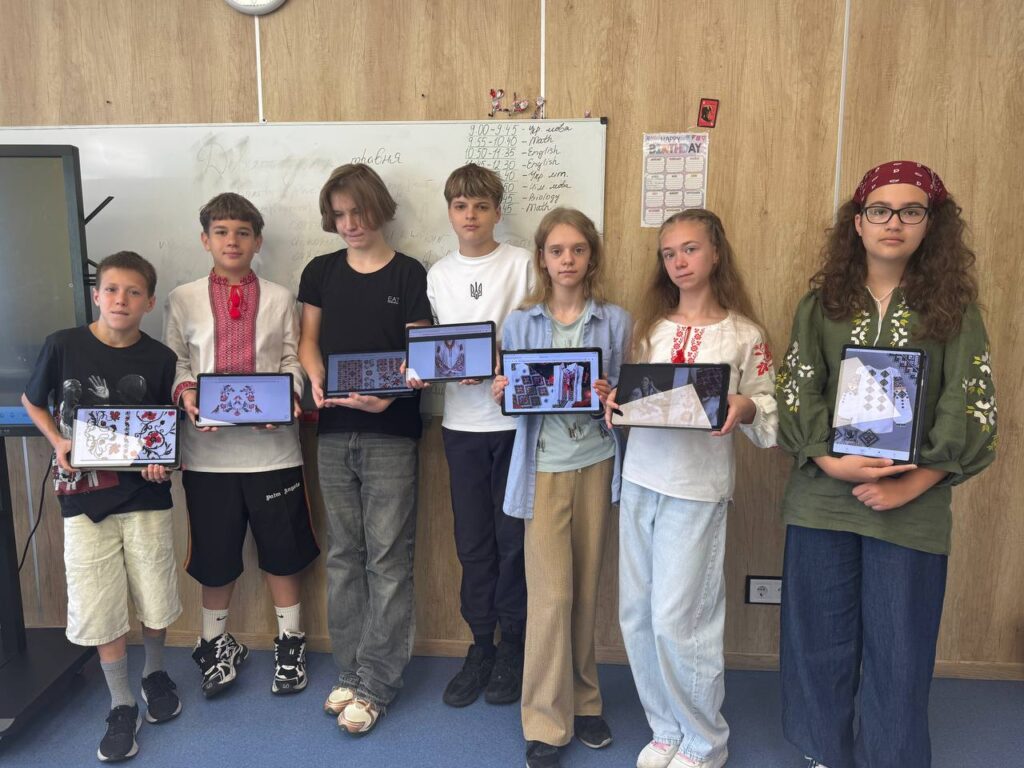
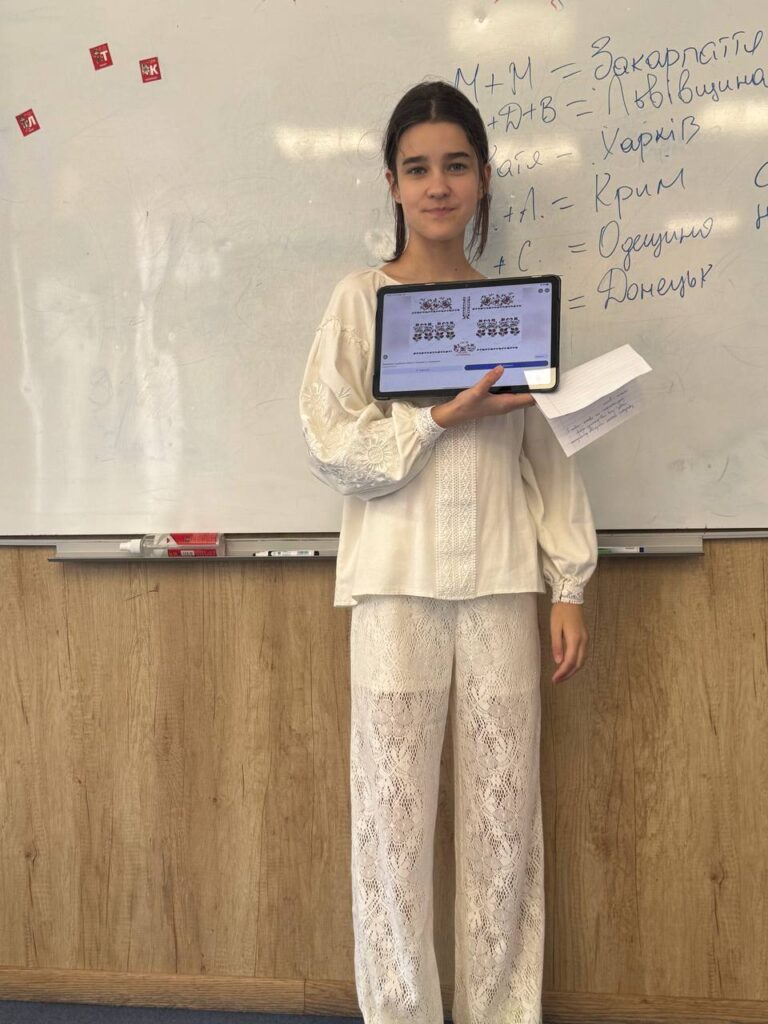
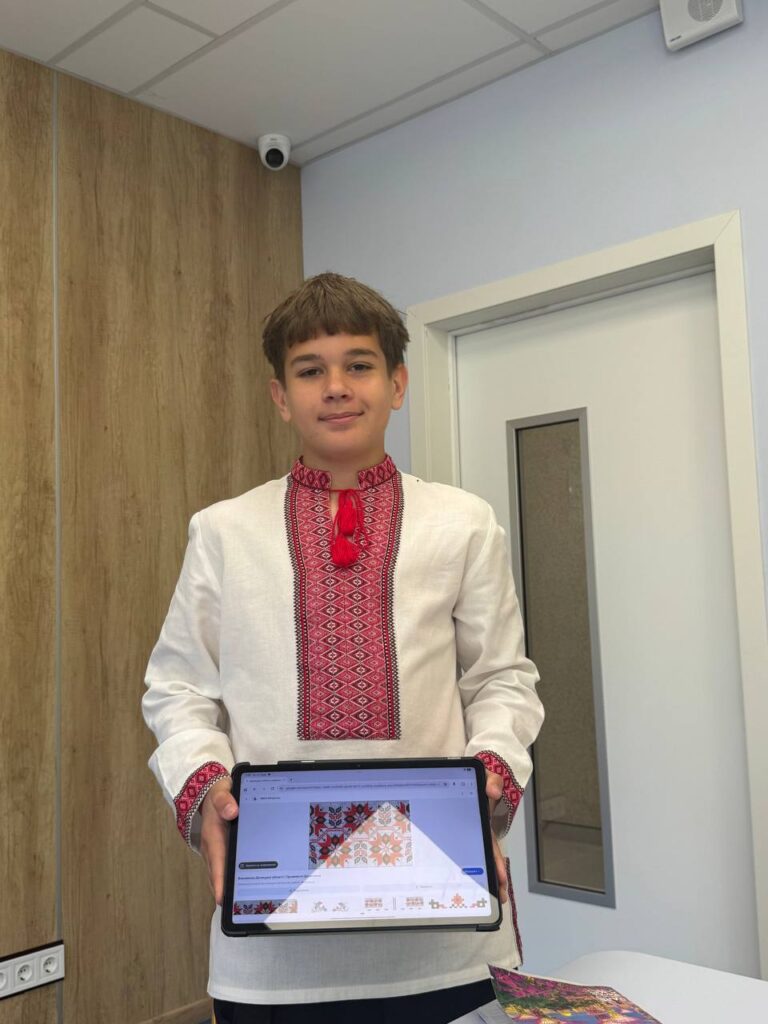
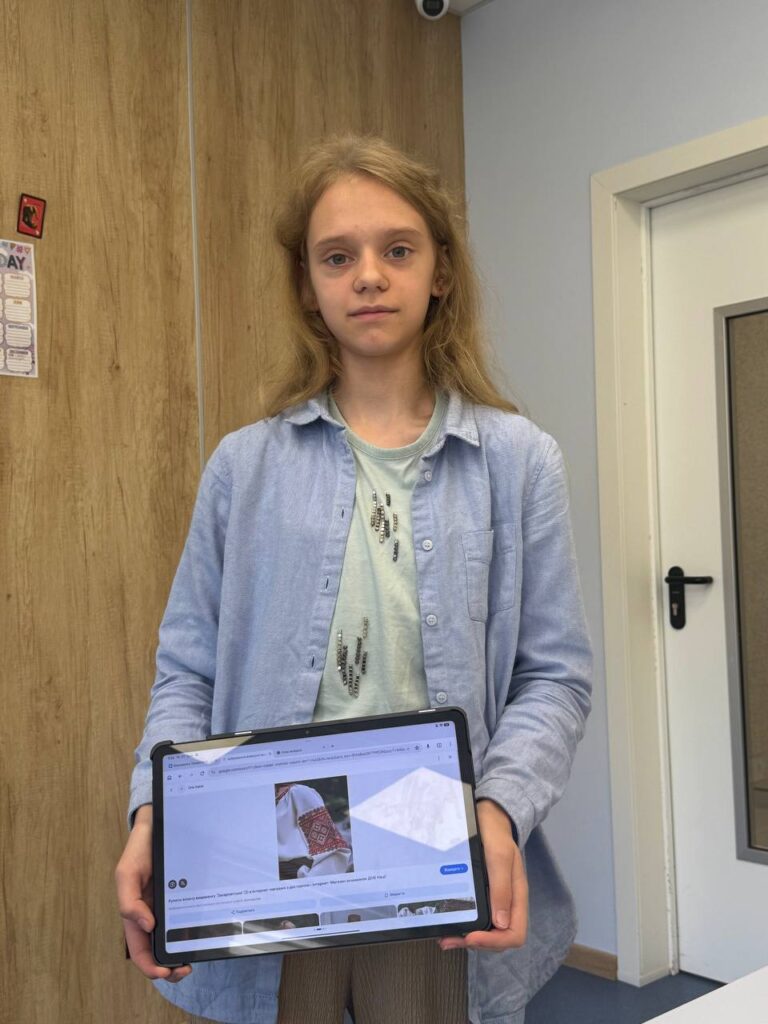
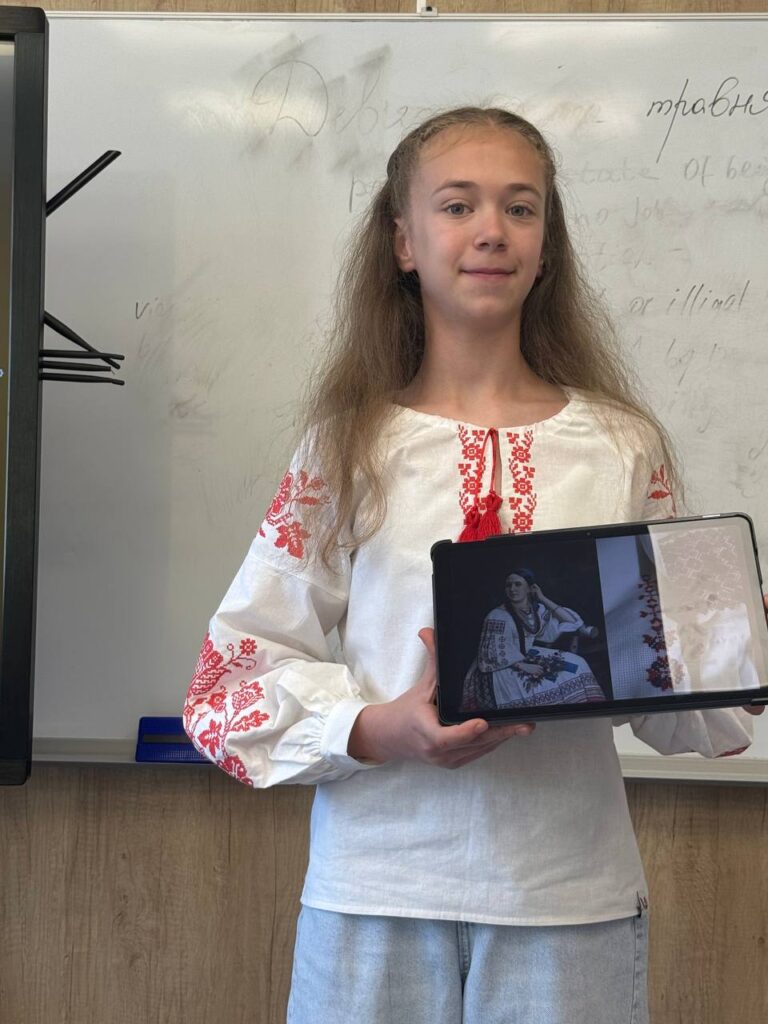
AISU Vyshyvanka Day is traditionally held in a warm, friendly and creative atmosphere. This year’s events for students of grades 5 and 5 were especially bright and memorable. The celebration gave the children a lot of positive emotions, new knowledge and interesting impressions. Participants not only demonstrated their wonderful vyshyvankas, but also plunged into the world of Ukrainian traditions, learned more about the history of national clothing and were able to show their talents during exciting contests and creative tasks.
Vyshyvanka is a symbol of the Ukrainian soul. For Ukrainians, Vyshyvanka has always been something more than just holiday clothes. For centuries, it served as a talisman, symbolizing well-being, health, happiness and connection with the family. Each region of Ukraine has developed its own embroidery traditions, special ornaments and color combinations, which were passed down from generation to generation.
Our ancestors believed that each symbol on Vyshyvanka has a special meaning. Geometric ornaments symbolized harmony and order, plant motifs represented life, fertility and beauty of nature, and various amulet signs protected a person from adversity. That is why Ukrainian embroidery has become a kind of language of symbols, through which people expressed their wishes, feelings and faith in a better future.
Today Vyshyvanka continues to be an important element of Ukrainian culture. By wearing it, people demonstrate their respect for history and traditions, as well as emphasize their belonging to the Ukrainian people.
Festive atmosphere at AISU. From the very morning, the school was filled with colors of Ukrainian ornaments. Students and teachers came in vyshyvankas, creating a special holiday atmosphere. The corridors and classrooms were filled with a variety of patterns, colors, and smiles. Each Vyshyvanka was unique, because it reflected the individuality of its owner and the richness of Ukrainian Cultural Heritage.
Special attention was drawn to students of grades 5 and 5, who actively joined the festive events. An interesting program was prepared for them, which combined cognitive, intellectual and creative elements. Children had the opportunity not only to have fun, but also to deepen their knowledge about Ukrainian traditions and embroidery symbols.
“Embroidery battle” is a combination of knowledge and team spirit.
The main event of the festive day was an exciting “embroidery battle”, which was attended by students of grades 5 and 5. The competition was held in a friendly atmosphere and aroused great interest among schoolchildren.
The participants were divided into two teams – “boys” and “girls”. This format made the contest even more interesting and dynamic, because each team sought to demonstrate their knowledge and win.
During the Battle, children answered questions related to Ukrainian embroidery, the history of embroidery, the peculiarities of folk clothing and the meaning of traditional ornaments. Students learned about various techniques of Ukrainian embroidery, which were formed over many centuries and became an integral part of the cultural heritage of Ukraine.
Of particular interest were tasks devoted to the symbolism of ornaments. Children enthusiastically discovered the meaning of various embroidery elements and learned to understand the hidden meanings of Ukrainian patterns. Such knowledge helps to better understand the richness of national culture and its deep spiritual content.
What did the students learn? During the “embroidery battle”, students received a lot of interesting information about the Ukrainian Art of embroidery. They learned that there are dozens of different techniques, each of which has its own characteristics and characteristics.
Students discovered that:
- Red color symbolizes love, vitality and energy;
- Black is associated with earth, wisdom and stability;
- Green means youth, spring and rebirth;
- Blue symbolizes water, sky and spiritual harmony;
- Rhombuses often represent fertility and abundance;
- The tree of life is a symbol of the continuity of generations and the strength of the genus;
- Solar signs are considered symbols of light, goodness, and vitality.
Such knowledge allows children not only to better understand Ukrainian art, but also to realize its value for modern society.
One of the most interesting stages of the celebration was the creative task of creating a poster with a graphic cipher of proper names. It was here that students were able to fully express their imagination, creativity and ingenuity.
Each child had the opportunity to come up with a unique graphic image of their name, using elements of ornaments, symbols and decorative motifs. Then all the works were combined into one large joint poster, which became a real symbol of the unity of the class.
During the task, students actively collaborated with each other, helped each other, discussed ideas and together looked for the best creative solutions. Such activities contributed to the development of communication skills, the ability to work in a team and respect the opinions of others.
It was especially pleasant to see how the children supported each other and enjoyed the success of their friends. It is these moments that create a real atmosphere of friendship and mutual understanding.
Teamwork and competitive spirit. Despite the fact that the battle provided for a competitive format, its main goal was not only to determine the winner, but also to develop team interaction and a positive attitude to joint activities.
Boys and girls actively competed for each point, demonstrating knowledge, ingenuity and speed of thinking. Participants listened carefully to questions, consulted among themselves, and tried to give the most accurate answers.
Friendly rivalry added excitement and emotion, but the atmosphere remained friendly throughout the event. Each correct answer caused joy and applause, and each new riddle motivated the participants to continue fighting.
It is these interactive learning formats that allow children to better learn new knowledge and get real pleasure from the educational process.
Victory of the girls!
After an intense and interesting fight, the results of the “embroidery battle” were summed up. This time the victory was won by a team of girls who demonstrated excellent training, care and excellent knowledge of the topic.
However, the main victory of this day was not the points scored, but positive emotions, new knowledge and a friendly atmosphere that prevailed among all participants. The children gained invaluable experience of working together, learned to support each other and were convinced that real success is achieved through mutual understanding and team spirit.
Why are such measures important? Celebrating Vyshyvanka Day at school is of great educational importance. It helps children:
- Study the history and culture of Ukraine;
- To form national consciousness;
- Foster respect for folk traditions;
- Develop creative abilities;
- Improve teamwork skills;
- Strengthen friendships between classmates;
- Feel like a part of a large Ukrainian community.
Through interesting contests, creative projects and interactive classes, students better understand the importance of cultural heritage and its role in modern life.
A day that will remain in your memory! The celebration of Vyshyvanka Day in the 5th and 5th grades of AISU has become a real celebration of Ukrainian traditions, knowledge and creativity. This day gave the children a lot of sincere smiles, new discoveries, positive emotions and warm memories.
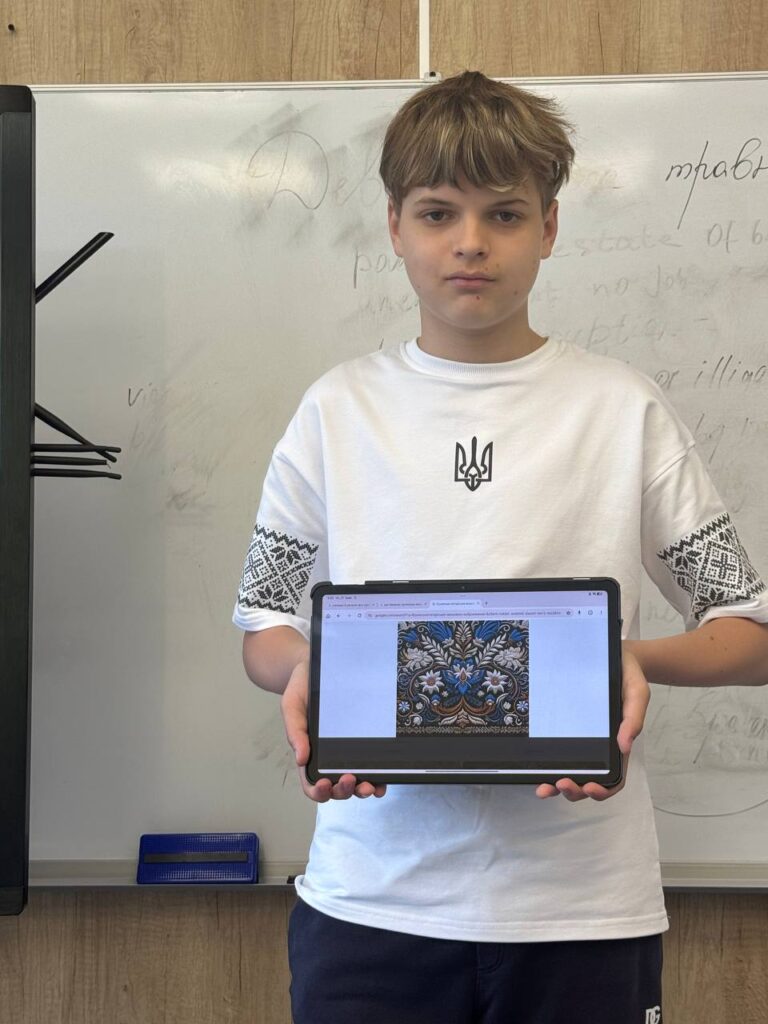
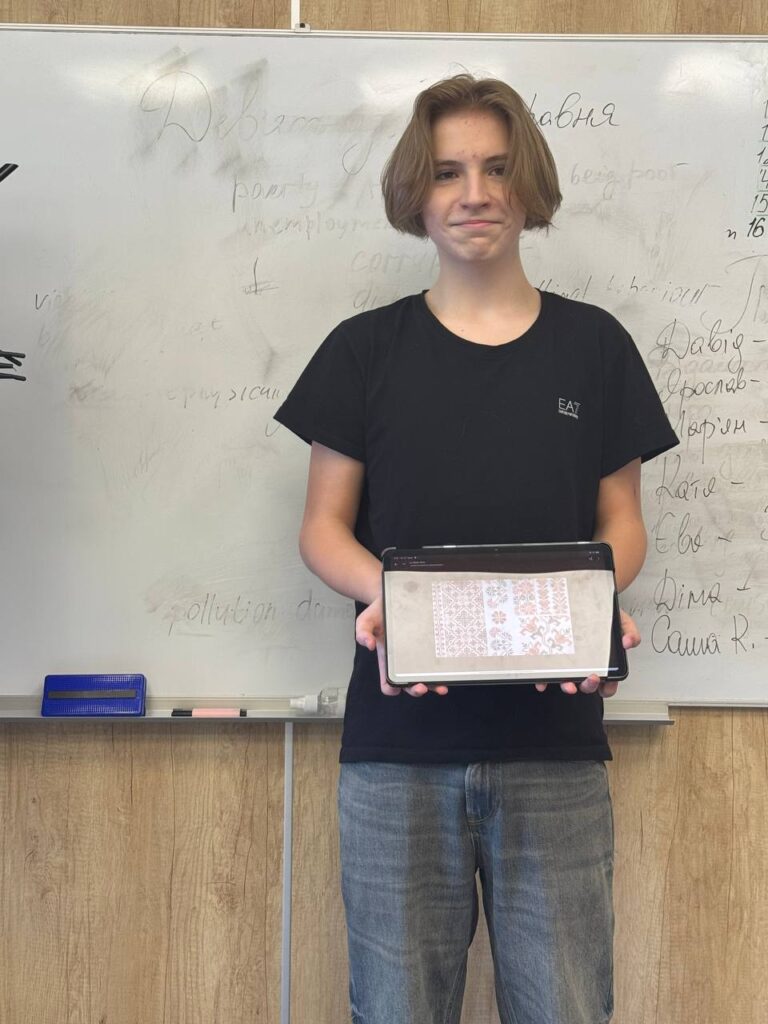
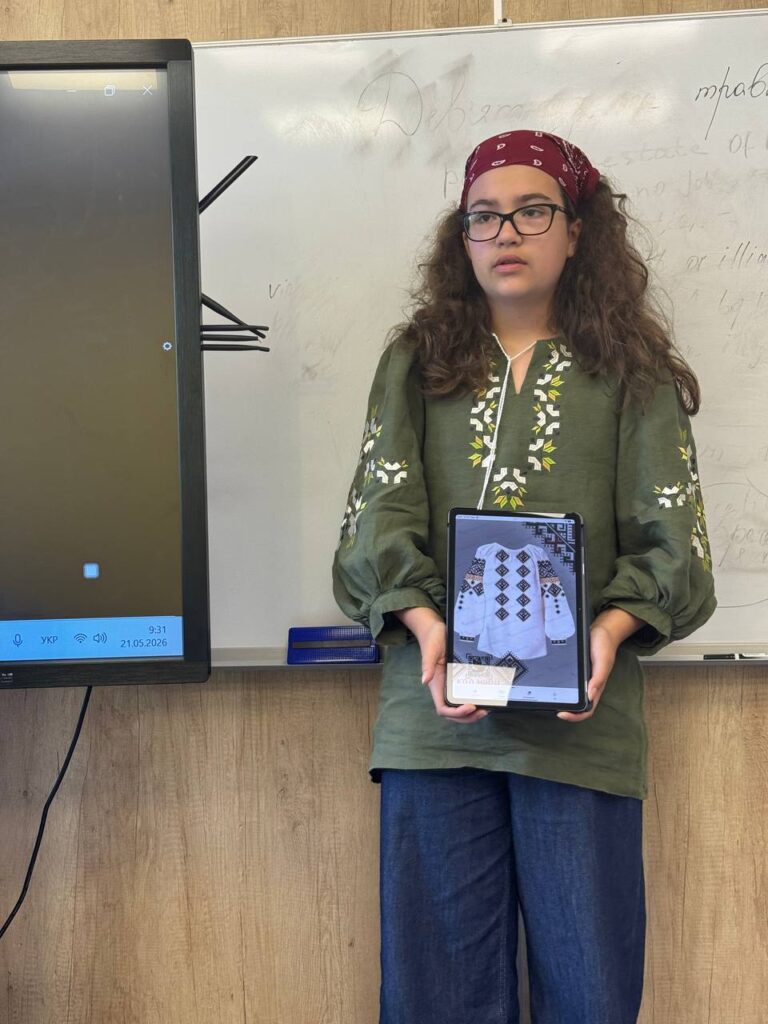
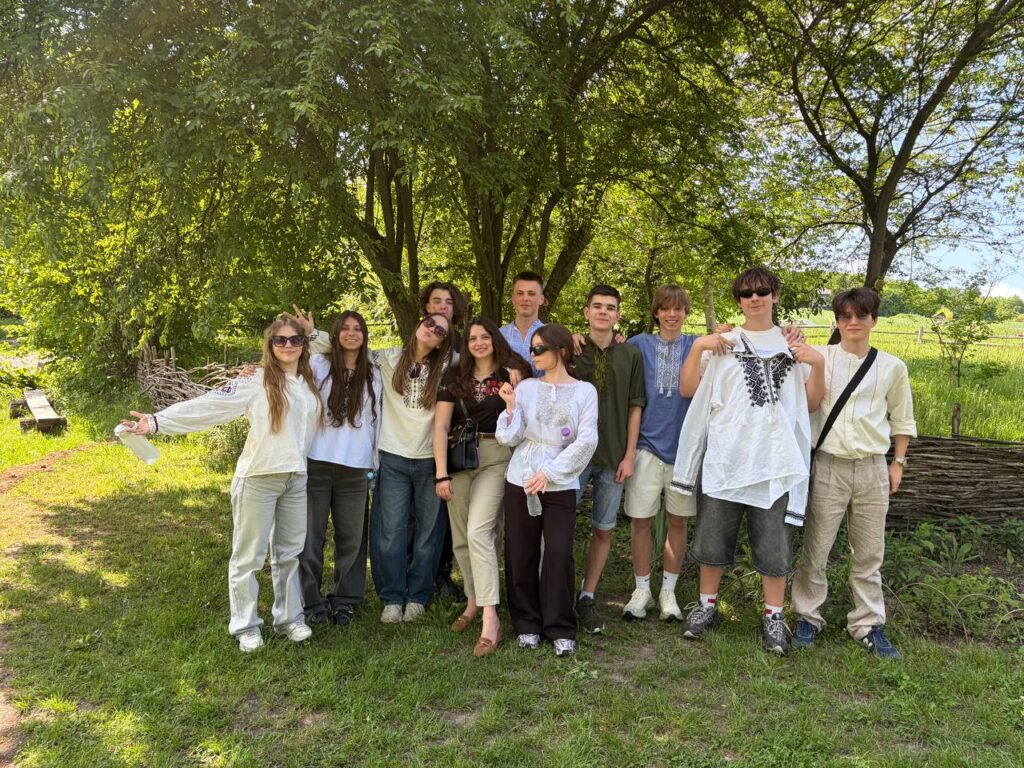
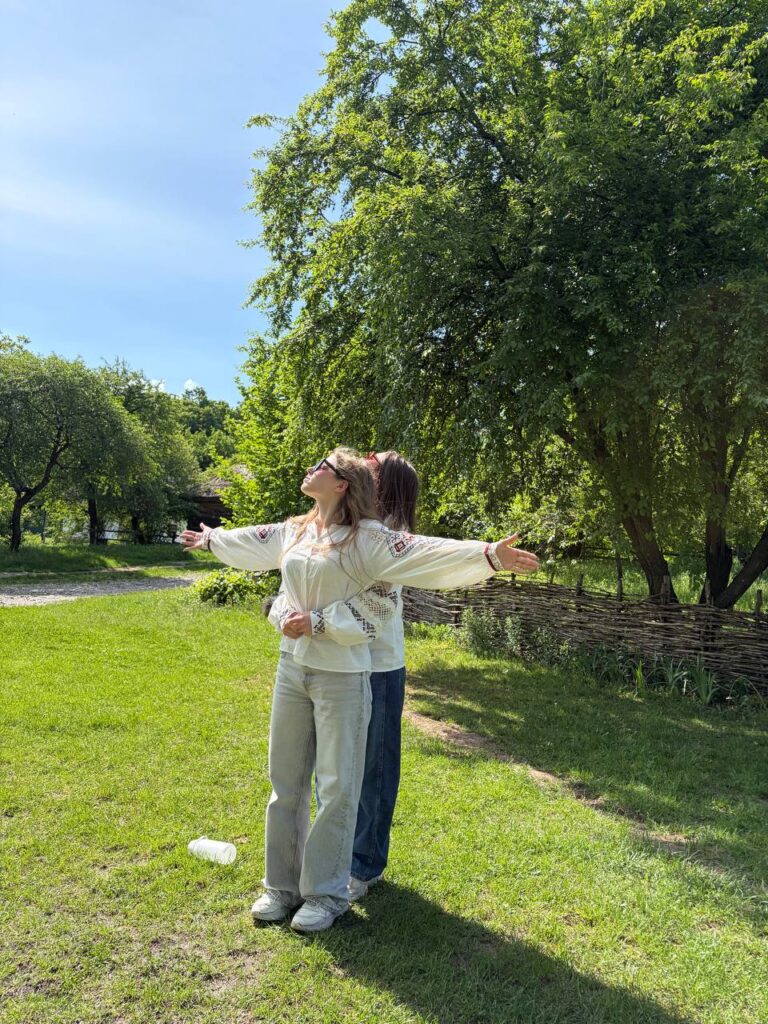
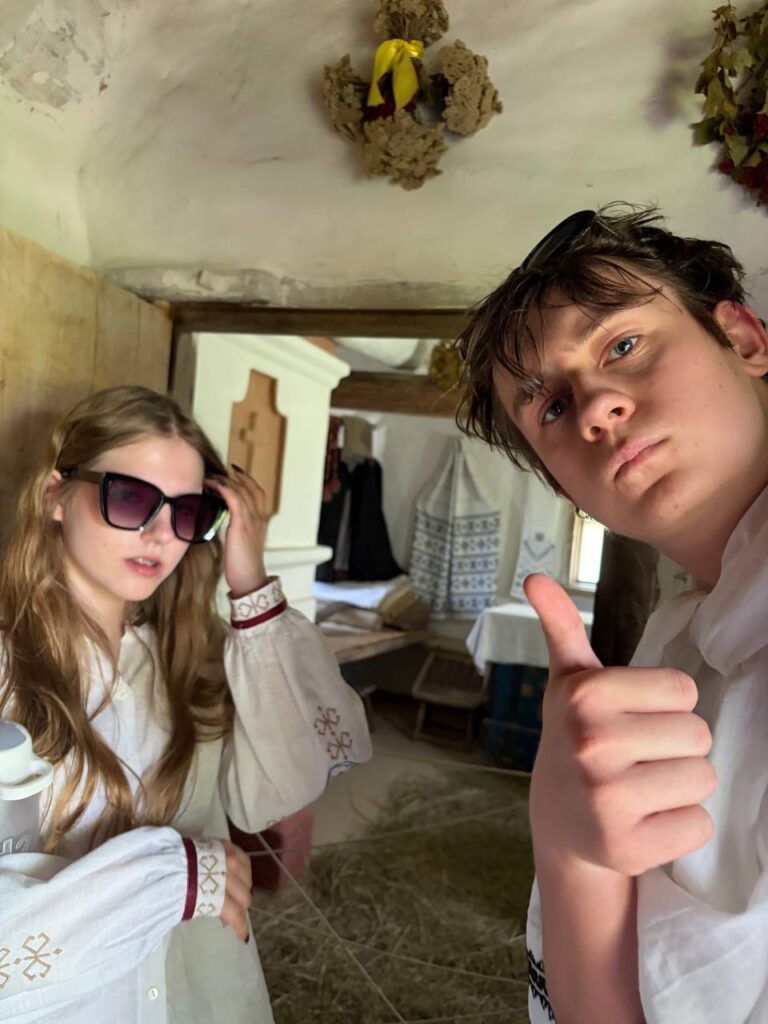
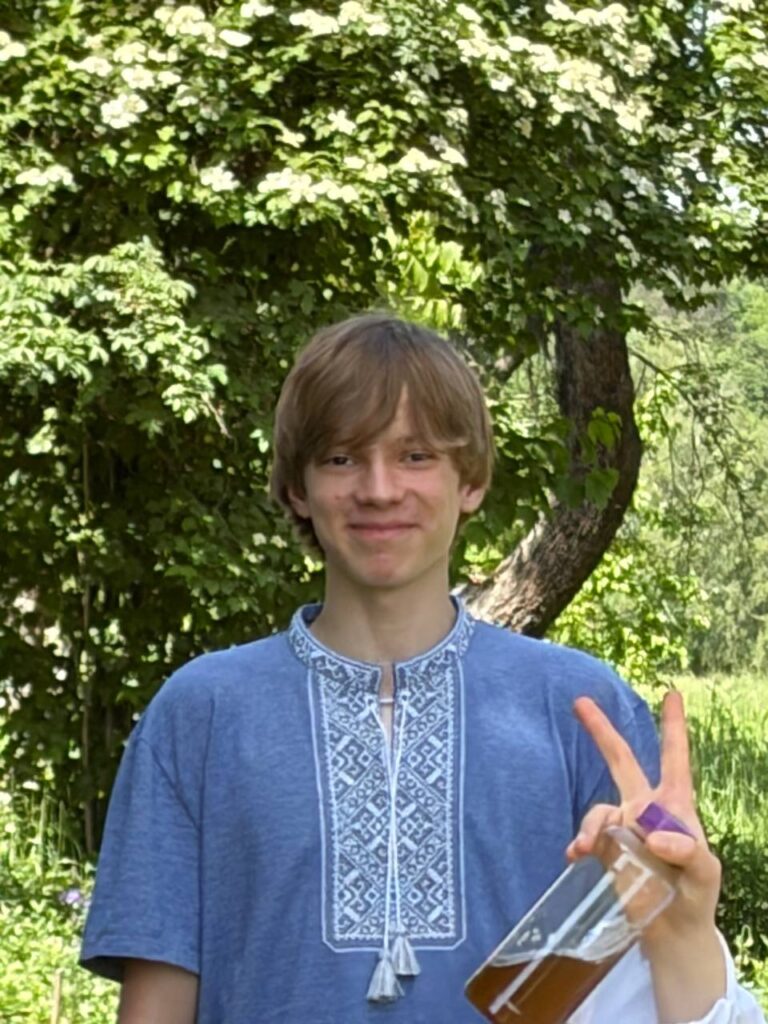
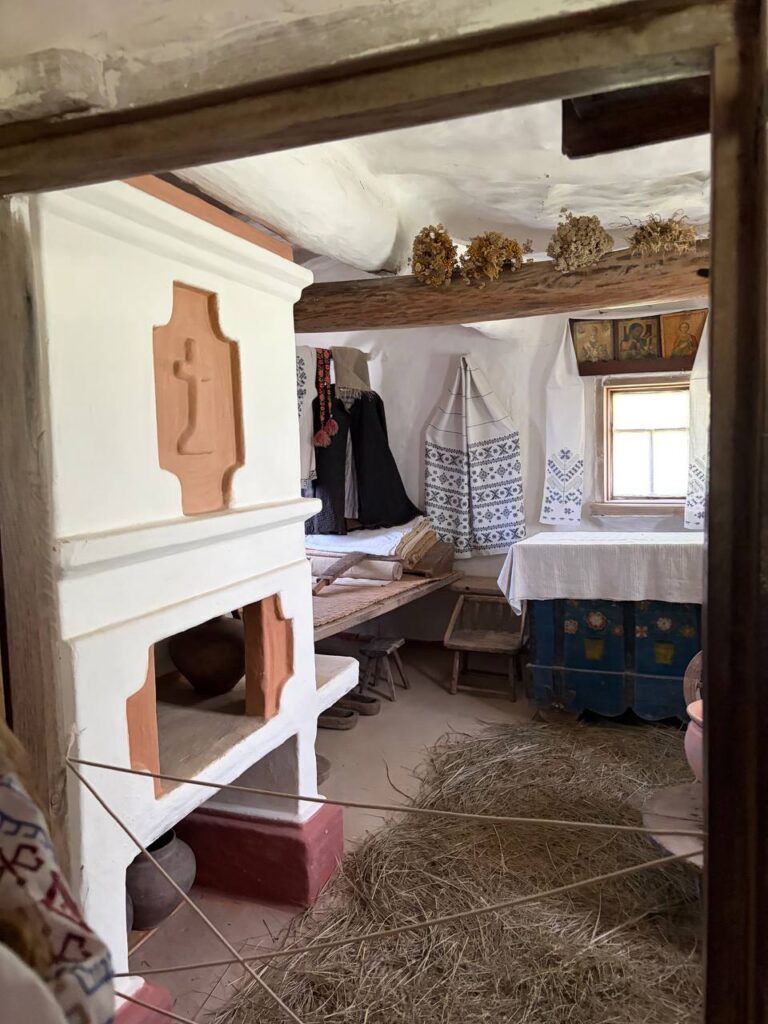
“Embroidery battle”, interesting educational tasks, team competitions and the creation of a poster with graphic ciphers of names helped students not only to have fun, but also to learn more about the rich world of Ukrainian culture. It was especially valuable that all participants felt like part of a single team united by common values, friendship and love for their country.
Vyshyvanka Day once again proved that Ukrainian traditions remain relevant and close for the younger generation. Thanks to such events, children not only get acquainted with the cultural heritage of their people, but also learn to protect it, be proud of it and pass it on to future generations.
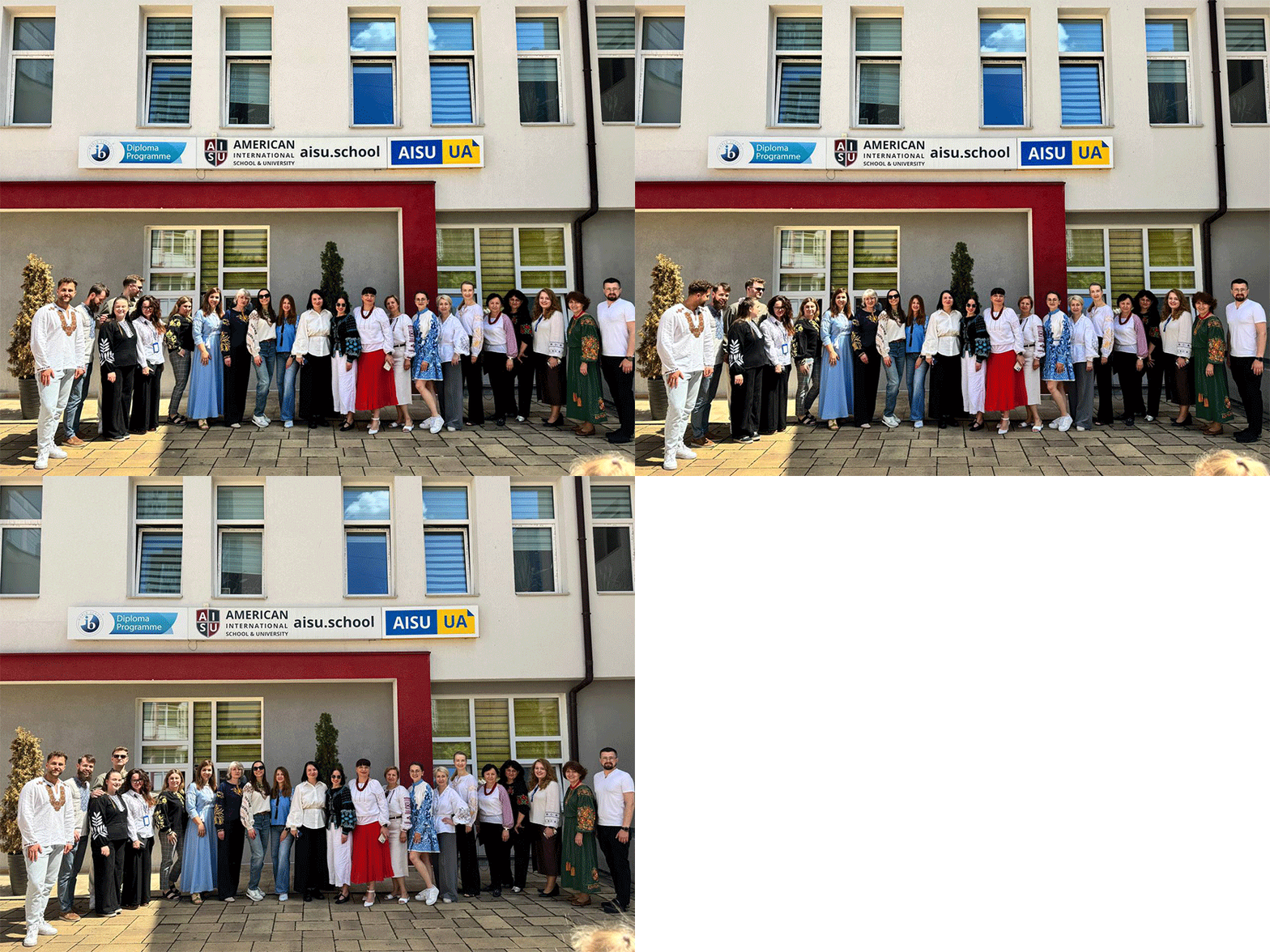 That is why Vyshyvanka Day at AISU has become not just a festive event, but a real lesson in patriotism, creativity, unity and respect for national traditions. It was a day filled with bright colors of Ukrainian embroidery, sincere emotions, friendly support and the belief that love for their native culture will always unite people regardless of time and circumstances.
m. Kyiv, Drahomanova 1-B, AISU
p. Khodosivka, str. Feodosiya Pecherskyi, 55


